
Spotify's Ghost Artists: Who Really Sings That Hit Song You're Listening To?
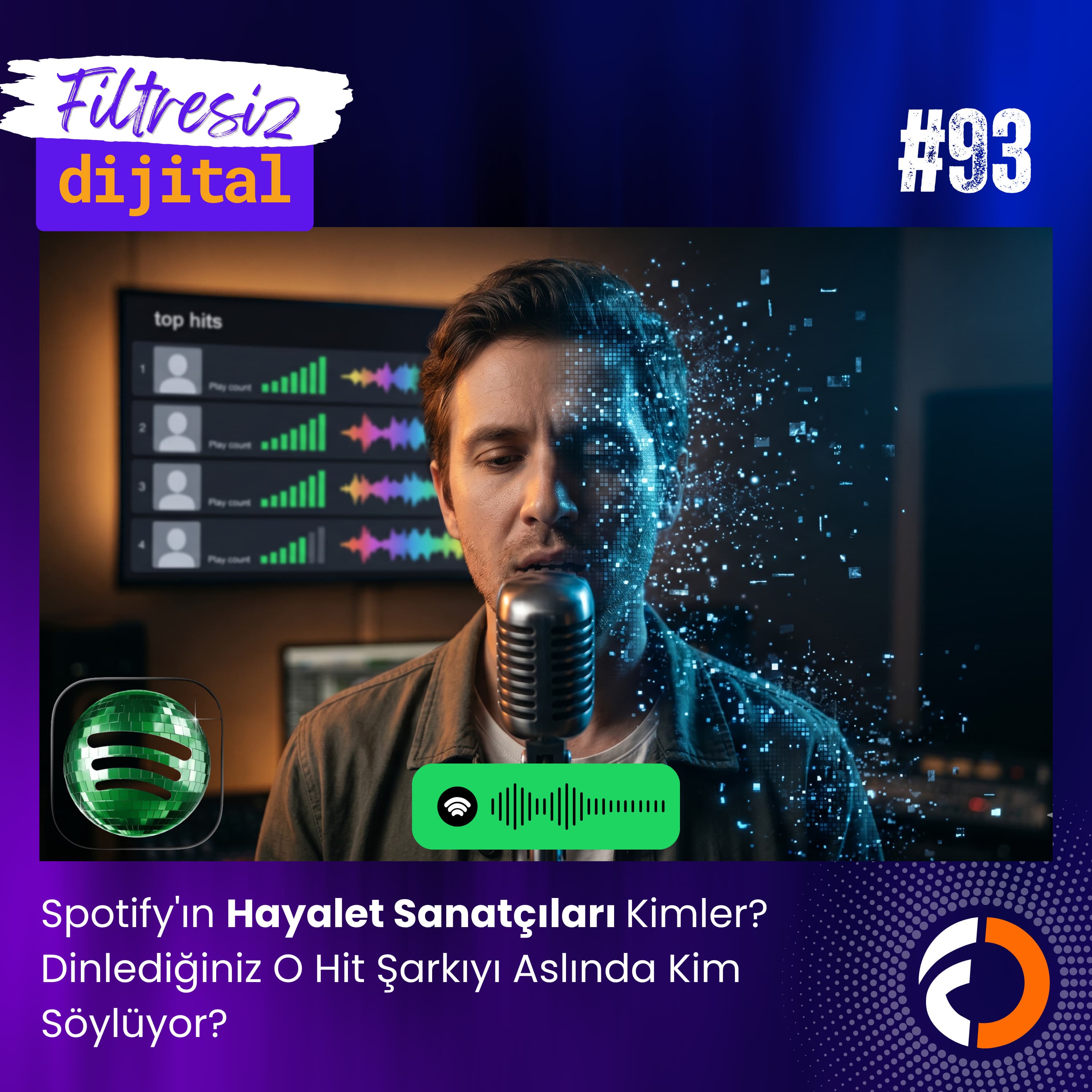
The dark rooms of Spotify, ghost artists, and the chilling rise of AI-generated synthetic music. How are our musical tastes and deepest emotions being hacked by algorithms?
Last Friday evening in Istanbul traffic, I discovered an incredible track on my Spotify "Weekly Discovery" playlist—a perfect blend of 90s Turkish pop and modern trap beats. The chorus was so captivating that I immediately checked the artist's profile. What I found was shocking: No photo, no biography, no social media accounts, yet over 4 million streams! That's when I realized the song that touched my soul wasn't sung by a real person at all. It was a synthetic "ghost artist"—generated in seconds by a few lines of code and AI commands in a cold server room somewhere in America.
Today, over 100,000 new songs are uploaded to Spotify daily. Many of those "hidden hits" you hear in chill, lo-fi, focus, and especially "Spotify Viral 50" playlists are generated entirely by algorithms, untouched by human hands. But how does a machine manage to make us feel "wow, this person has really suffered"?
The secret lies in neuromarketing and consumer psychology. New-generation AI models trained on billions of hours of music data know which frequencies, bass beats, and BPMs trigger dopamine in our brains better than we do ourselves. AI isn't creating art—it's engineering. It converts our emotions into mathematical formulas. It sells us the pain we want to hear, in frequencies our brains will approve of.
When we listen to Sezen Aksu or Müslüm Gürses, we're not just hearing sound waves; we're hearing their lived experiences, traumas, and vulnerabilities. When an artist's voice trembles or goes slightly off-key, that imperfection connects us to them. Because humans are imperfect, and real art feeds on those imperfections. Yet under the guise of "democratizing" the music industry, real artists are now afraid to enter the studio. They face a synthetic competitor that never tires, has no demands, produces a hit song in 10 seconds, and asks for no royalties.
Just as we've grown accustomed to beauty filters on social media and cosmetic surgeries, treating real, natural, and "imperfect" human faces as strange; we now face the same danger in music. As our minds adapt to these "unnaturally delicious but nutritionally empty" synthetic pop songs, real songs sung by real people with minor flaws will start feeling "wrong" or "boring" to us. Filters are no longer just in our photos—they're in our ears, our feelings, and our souls.
After listening to this podcast episode, review your Spotify playlists again. Does that voice in your headphones have a story, lived experiences behind it? Or is it just a piece of code designed to tickle your dopamine receptors?
Find all our video podcast episodes, digital marketing industry analyses, and e-commerce strategies by searching "filtresizdijital" on YouTube, Instagram, and TikTok. Access all resources and detailed industry insights at our website filtresizdijital.com. Happy listening!
00:00 - 01:52 - Ghost artist with 4 million streams
01:53 - 03:12 - Beyond metrics: 100,000 songs uploaded to Spotify daily
03:13 - 04:14 - Hidden dangers in viral playlists and AI's 15-second hook
04:15 - 05:36 - Neuromarketing and music: How algorithms hack our dopamine system
05:37 - 06:49 - The Sezen Aksu and Müslüm Gürses reality: Humans are flawed, AI is engineering
06:50 - 08:00 - Synthetic rivals in studios and the "Beauty Filter" syndrome in music
08:01 - 09:42 - Code snippets in your playlists: A call to return to real connections and closing thoughts
Episode transcript
(1235 words, Turkish)
Automatically generated from the audio; may contain minor spelling or punctuation errors.
Şarkıya bak şarkıya. Bak bak bak. Yerim kalmayacak. Nerede o eski şarkılar diyeceğimiz döneme doğru gidiyoruz sanırım arkadaşlar. Yeni trend yapay zeka ile oluşturulan o müzikler. Bakın ne oldu anlatayım size. Geçen cuma akşamı İstanbul trafiğindeyim.
Yağmur atıştırıyor ve sileceklerin o ritmik sesi eşliğinde Spotify'ın bana özel hazırladığı haftalık keşşif listesini dinliyorum. Derken bir şarkı girdi araya. İnanılmaz bir altyapı. Tam bizim o 90'lar Türkçe popu ile günümüz trap ritimlerinin harmanlandı ve insanın içine işleyen çok tanıdık ama yepyeni bir vokal var. Ve nakarat o kadar vurucu ki kim lan bu dedim. Ya böyle kırmızı ışıkta durunca telefonu elime aldım ve sanatçının adına tıkladım.
Bakın ismi daha önce hiç duymadığım jenerik bir isimdi. Profiline girdim fotoğraf yok, biyografi yok, konser takvimi yok, bağlı olduğu bir Instagram hesabı bile yok. Sonra sadece hesaptaki tek şarkıyı görünce ve dinlenme sayısının 4 milyonu geçtiğini görünce tüylerimin diken diken olduğunu hissettim. Çünkü o an anladım ki az önce beni alıp eski anılarıma götüren, kalbime dokunan o şarkıyı söyleyen kişi aslında yaşamıyordu. Hatta hiç var olmamıştı bile. O şarkı bir stüdyoda değil, Amerika'daki soğuk bir sunucu odasında birkaç satır kod ve yapay zeka komutuyla saniyeler içinde üretilmişti.
Şu an beni kulaklıklarıyla dinleyen dostum, belki de dün gece uyumadan önce dinlediğin ve sözlerinde teselli bulduğun o şarkı içinde belki de durum tam olarak böyle. Herkese merhabalar. Ben Faruk Toprak. Sektörün dijital ve hayatımızın üzerine çekilmiş o pembe filtreleri yırtıp attığımız Hitresiz Dijital'in 93. bölümüne hepiniz hoş geldiniz. Bugün pazarlama konuşmayacağız. Bugün dönüşüm oranlarını, tıklama maliyetlerini bir kenara bırakacağız.
Çünkü bugün doğrudan ruhumuzu, duygularımızı ve müzik zevkimizi konuşmak istiyorum. Hazırsanız kulaklıklarınızın sesini biraz daha açın. Çünkü bugün Spotify'ın karanlık odalarına giriyor ve hayalet sanatçıları ifşa ediyoruz. Bakın işin boyutu sandığınızdan çok daha büyük. Belki de içinizden Faruk yapay zeka sadece komik şarkılar yapıyor, işte bilmem kimin sesini alıp arabesk söyletiyorlar falan diyorsunuz ama iş tam olarak böyle değil. Şu an 2026 yılındayız ve iş o eğlence safhasını çoktan geçti bile.
Gelin size birkaç gerçek veriden bahsedeyim. Bugün Spotify'a günde ortalama 100.000'in üzerinde yeni şarkı yükleniyor. Bak günlük yüklenen şarkı sayısına bak. 100.000'in üzerinde. Sektör raporlarına göre özellikle chill, lofi, odaklanma ve son dönemde viral pop listelerinde yer alan şarkıların ciddi bir yüzdesi tamamen sentetik. Yani insan eli değmemiş.
Türkiye pazarına bakalım. Özellikle son birkaç aydır Spotify Türkiye viral 50 listesini hiç dikkatlice incelediniz mi bilmiyorum ama orada gizli hit olmuş ve TikTok'tan patlayıp Spotify'a düşmüş bazı Türkçe pop ve rap parçaları var. Şarkının yapısı o kadar kusursuz ki tam 15. saniyede sizi yakalayan bir kanca var. Ve beyninizin tam da duymak istediği o melankolik ama ritmik akor dizilimi. Şarkıyı dinliyorsunuz ve vay be adam ne acı çekmiş diyorsunuz. Ama ortada acı çeken bir adam yok.
O acıyı sizin daha önceki dinleme verilerinizi analiz eden insanın dopamin salgıladığı bir BPM'leri yani tempoları milimetrik olarak hesaplayan bir algoritma yazmış. Peki bu durum müzik algımızı, duygularımızı nasıl etkiliyor? İşte asıl sarsıcı olan nokta da burası arkadaşlar. Birazdan size beynimizin o çok sevdiğimiz şarkılara neden aşık olduğunu ve yapay zekanın bu aşkı nasıl hacklediğini anlatacağım. Ama önce şunu düşünmenizi istiyorum. Biz müzik dinlerken aslında ne arıyoruz?
Bunu hiç düşündünüz mü? Sizce ses dalgaları mı? Hayır tabii ki de. Biz bağ kurmak istiyoruz. Bakın Sezen Aksu'yu dinlerken sadece onun ses tellerinden çıkan frekansları değil, onun yaşanmışlıklarını, onun kırılganlığını, o insan olma halini dinliyoruz.
Bakın rahmetli Müslüm Gürses'i dinlediğimizde o ses de adamın hayatının haritası var. Bir şarkıcı detone olduğunda, sesi titrediğinde o kusur bizi ona bağlar. Çünkü insan kusurludur arkadaşlar. Şimdi yapay zeka sahneye çıkıyor. Suno, Udyo ve çok daha gelişmiş yeni nesil modeller var. Ve bu yapay zekalar insanlık tarihindeki milyarlarca saatlik müzik verisiyle eğitilmiş durumda.
Beynimizin müzikteki hangi frekanslara, hangi bas vuruşlarına, hangi söz kalıplarına dopamin salgılayarak tepki verdiğini sizden, benden, hepimizden daha iyi biliyorlar. Yani yapay zeka şarkı yaparken sanat yapmıyor dostlar, mühendislik yapıyor. Bizim duygularımızı, zaaflarımızı bir matematik denklemi gibi çözüyorlar. Yani şu notadan sonra şu nota gelirse dinleyici de melankoli hissi uyanır diyor ve o notayı çat diye basıyor üzerine. Özellikle bu nöropazarlamanın müziğe uyarlanmış en vahşi halidir. Yani duygularımızın formulize edilmiş hali.
Bakın o haftalık keşif listesinde duyup sevdiğiniz o hayalet sanatçı size kendi acısını anlatmıyor. Sizin duymak istediğiniz acıyı tam da sizin beyninizin onaylayacağı frekansta size geri satıyor. Bu beni gerçekten korkutuyor biliyor musun? Çünkü ne derseniz deyin, müzik bizim en mahrem ve en insani sığınağımızdı bugüne kadar. Günün stresinden, dijitalin o boğucu bildirimlerinden kaçıp biri beni anlıyor diyerek sığındığımız o son kaleydi. Şimdi o kalede bizi anladığını sandığımız sesin arkasında bir makine var.
Ve o makine çok acımasız. Hatta geçenlerde bir de şöyle bir olay yaşadım. Bakın müzik prodüktörü bir arkadaşımla konuşuyorum. Bana dedi ki ya Faruk artık sanatçılar stüdyoya girip ruhlarını ortaya koymak istemiyorlar dedi. Çünkü karşılarında asla yorulmayan, kapris yapmayan, 10 saniyede bir hit parça üretebilen ve hiçbir telif istemeyen bir rakip var dedi. Yani işte müzik endüstrisinin demokratikleşmesi dedikleri yalanın arkasındaki acı gerçek tam olarak bu.
Evet artık evinde oturan hiç müzik bilmeyen bir genç bile iki kelime yazarak harika duyulan bir şarkı yapabiliyor. Ama her şeyin bu kadar kolay üretildiği ya da her şeyin kusursuz olduğu bir dünyada tabii ki de. Yani gerçek sanatın, o kanayan yaranın, o gerçek duyguların ne anlamı kalacak artık değil mi? Neyse zihnimiz algoritmaların ürettiği bu aşırı lezzetli ama besin değeri sıfır olan sentetik pop şarkılarıyla o kadar uyuşacak ki bu çok aşikar belli görünüyor. Belki de bir süre sonra gerçek bir insanın ufak pürüzlerle, hafif ses titremeleriyle söylediği gerçek şarkı bile bize hatalı bu ya ya da sıkıcı bu ya diyeceğimiz bir duruma gelecek. Tıpkı sosyal medyadaki o güzellik fitrelerine alışarak gerçek insan yüzünü yadırgamaya başladığımız gibi.
Bu çok acı ama gerçek. Yani o filtreler kullanılıyor, yüzler kusursuzlaştırılıyor, gerçek hayatta kusurlu bir yüz gördüğümüzde artık yadırgamaya başlıyoruz ve herkes estetiğe kaçıyor öyle değil mi? Şimdi de bu tam olarak müziğe gelmiş durumda, müziğimize gelmiş durumda duygularımıza filtre çekilmeye başlandı. Acı gerçek ama bugün sizlerle paylaşmak istedim. Ben filtresiz dijital derken işte tam da bundan bahsediyordum haftalarca sevgili arkadaşlar. O filtre sadece fotoğraflarımızda değil, kulağımızda ve ruhumuzda.
Peki biz dinleyiciler olarak ne yapacağız? Bu sentetik dalganın karşısında durabilecek miyiz? İşte burası soru işareti. Ya durmak zorunda değiliz belki ya da eğlenceli yapay zeka şarkılarını dinleyip gülebiliriz belki. Arkada çalmasını da isteyebiliriz ama kiminle bağ kurduğumuzu unutmamalıyız. Çalma listenize bir bakın.
O sevdiğiniz sanatçının bir hikayesi, bir yüzü, bir yaşanmışlığı var mı? Yoksa o sadece sizin dopamin reseptörlerinizi gıdıklamak için tasarlanmış bir kod parçasını inceleyin. Yani sırf algoritmalar istiyor diye, sırf kulaklıkta güzel çınlıyor diye hislerimizin hacklenmesine izin vermeyelim. Kusurlu, eksik ama sonuna kadar gerçek olan insani bağın peşinden koşmaya devam edelim. Bu bölüm Spotify'ı bir sonraki açışınızda o şarkıları biraz daha farklı bir kulakla, biraz daha filtresiz dinlemeniz için bir davet de diyebilirim. Bugün biraz dertleşmek istedim sizinle.
Dijitalin o mekanik soğukluğunun duygularımıza nasıl sızdığını konuşmak istedim. Sizin de başınıza geldi mi böyle bir şey bilmiyorum ama dinleyip çok sevdiğiniz ve sonradan yapay zeka olduğunu öğrenip hayal kırıklığına uğradığınız bir şarkı olduysa benimle. Paylaşın bunu lütfen. Faruk Toprak X Instagram hesabım bana mesaj atabilirsiniz. Ayrıca artık bu konseptimize görsel dünyayı da ekledim. Yani TikTok, Instagram, YouTube platformlarında arama çubuğuna Filtresiz Dijital yazarak videolarımıza ulaşabilirsiniz.
FiltresizDijital.com'da web sitemiz. Buradan da tüm içeriklerimize ulaşabilirsiniz. Gerçek hislerin, gerçek seslerin ve kusurlu ama güzel olan o insanlığımızın kaybolmadığı bir hafta diliyorum. Kendinize çok iyi bakın. Hoşçakalın.
Don’t miss an episode
New episode every Wednesday - follow on Spotify & Apple Podcasts, or get the newsletter.