
Why People Click and Why They Leave: Secret Codes of Sales with Gestalt Psychology

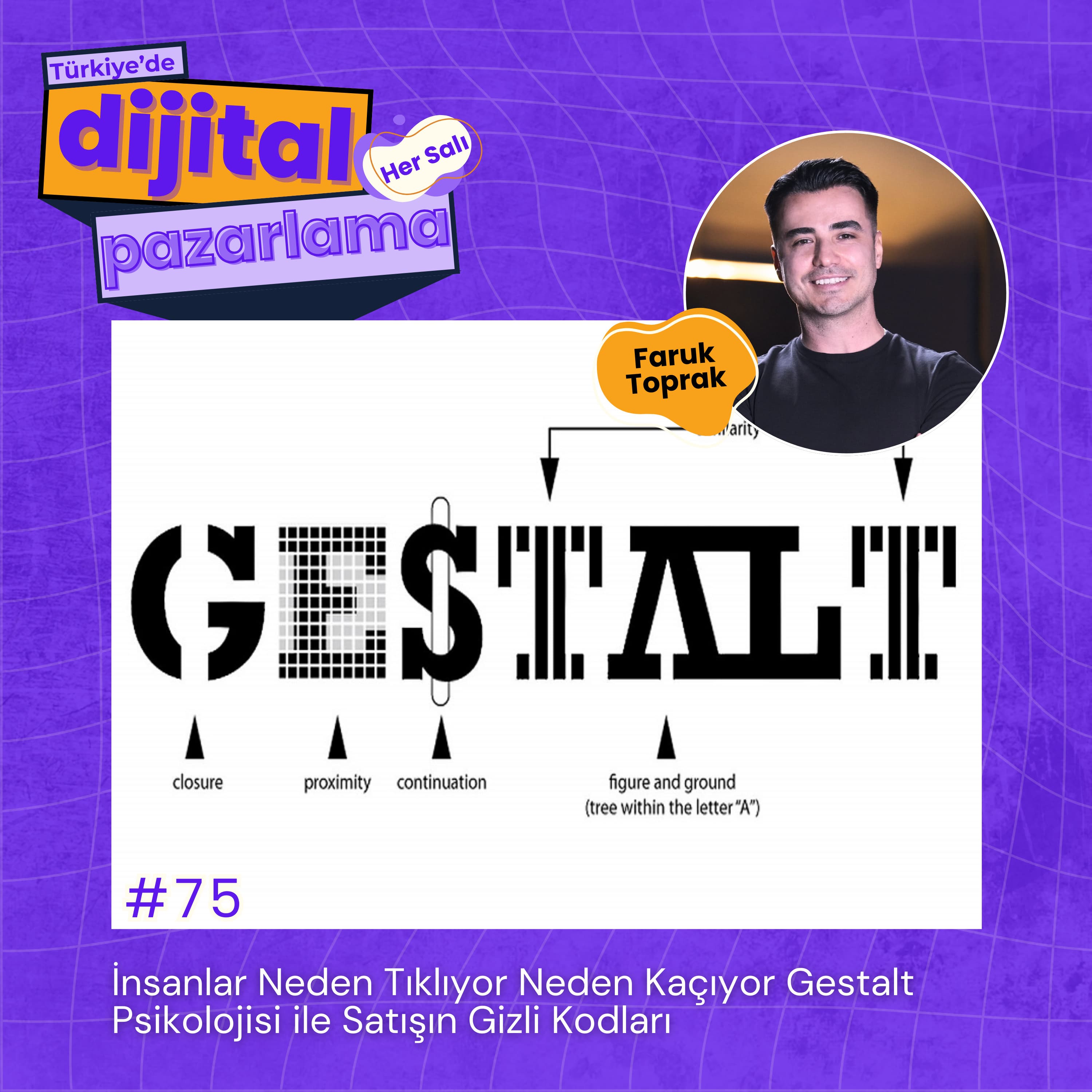
03:17 What is Gestalt and how does the brain make decisions
04:07 Proximity principle with website and store examples
05:25 Similarity principle trust and brand perception
06:31 Closure principle how the brain relates to gaps
07:31 Curiosity-inducing incomplete messages why they work
08:42 Billboard and outdoor marketing closure example
08:59 Continuity principle how to design the eye path
10:25 Figure-ground relationship why CTAs become invisible
12:17 Psychology and marketing perception shortcuts
13:01 Conversation with Semiha about design and perception
16:15 How Gestalt is used in real projects
17:18 Most common Gestalt mistakes designers make
In this episode, I'm talking about a very fundamental topic that most brands make mistakes with without realizing: Why do people click, why do they leave?
When you enter a website or see an advertisement, sometimes you leave without doing anything. Sometimes you click without planning, examine, or even make a purchase. Most of these decisions are made not by logic, but by perception. And behind this perception lies Gestalt psychology.
Gestalt Principles tell us this: The human brain perceives the world not as individual pieces, but as a whole. That is, the user on your page doesn't examine buttons, visuals, and texts separately. The brain quickly groups them, completes them, and makes a decision by making sense of them.
In this episode, I'm addressing the fundamental principles of Gestalt from a marketing and sales perspective. I explain with real examples how concepts like proximity, similarity, closure, continuity, figure-ground, and common fate work on websites, advertisements, e-commerce pages, and offline marketing.
Why doesn't a design sell even though it's beautiful?
Why does an ad remain ineffective even though it's technically correct?
Why do people browse comfortably in some stores while wanting to leave quickly in others?
The answers to these questions are hidden not in aesthetics, but in perception management.
Throughout the episode, we're not limited to just digital examples. From store windows to shelf arrangements, from brochure designs to outdoor advertisements, we discuss in detail how Gestalt Principles can be used in offline marketing.
We also combine human psychology with marketing and focus on this: Why does the brain love order, why does it avoid chaos, and why does it unconsciously trust some brands.
If your website conversions are low, your ads are being clicked but not converting to sales, or your store customers struggle to decide, the problem is often not price, not message, not product; it's perception.
This episode will give you:
How to direct users without trying to convince them
How to sell more by explaining less
How to use design not just as visual but as a strategic sales tool
I'm Faruk Toprak. On Turkey's Digital Marketing Podcast, in this episode we examine how the human brain makes purchasing decisions through Gestalt psychology in a simple, clear, and applicable way.
After listening, you won't be able to look at your brand, website, and advertisements the same way again.
Episode transcript
(2643 words, Turkish)
Automatically generated from the audio; may contain minor spelling or punctuation errors.
Bir web sitesine giriyorsun. Web sitesinde ürünler var, butonlar var, menüler var, her şey var ama bir şey yok. Nedir o? His yok. Yani gözün nereye bakacağını bilmiyor. Beynin yoruluyor, tıklamadan çıkıyorsun.
Sonra başka bir web sitesine gidiyorsun. Sanki biri elinden tutmuş gibi nereye bakacağını, ne yapacağını hemen anlıyorsun. Ürünü sepete ekliyorsun, ilerliyorsun, hatta kendini güvende hissediyorsun ve alışverişini tamamlıyorsun. Şimdi kritik soru şu. İkinci site sence daha güzel olduğu için mi satıyor yoksa daha anlaşılır olduğu için mi başarılı? İşte bugün gestalt ilkeleri tam burada devreye giriyor diyebilirim ve bugün sizlerle konuşmak istiyorum.
Bu ilkeler tasarım kitabı bilgisi gibi duruyor gibi görünüyor ama aslında pazarlamanın tam kalbine dokunuyor. Bak gestalt ilkeleri. Çünkü konu şu, insan beyni dünyayı tek tek parçalar halinde değil, bütün olarak algılar. Yani sen bir ekranda 10 tane öğe koyduğunda bir web tasarımcı olarak ya da siteyi yapan kişi olarak kullanıcı 10 tane öğeyi görmüyor. Beyni onları grupluyor, tamamlıyor ve kendine göre bir düzen uyduruyor ve kararını ona göre veriyor. Bugün gestaltı, tasarım konuşması gibi değil, direkt satış, marka algısı, reklam performansı ve offline pazarlamaya etkisiyle anlatacağım.
Hem nedir, hem örnek, hem de nasıl entegre edilir şeklinde tüm bilgileri sizlerle paylaşacağım. Bir de joykekte çalışan ve benim çok sevdiğim değerli ekip arkadaşım Semiha'ya da söz vereceğim. Kendisi de bu gestalt ilkelerini anlatacak bizlere ve gestalt ilkelerine yönelik yorumlarını paylaşacak. Bu arada bu konu nereden çıktı Faruk, neden gestalt ilkelerini anlatıyorsun derseniz hikayesi de şu. Her hafta cuma günü joykekte biz ekip içinde bir eğitim planlıyoruz. Sabah 9'da eğitim başlıyor, herkesin 15 dakikası var.
Bak SEO'cu da çıkıyor, anlatıyor. Semci de çıkıyor, anlatıyor. Tasarımcı da çıkıyor, anlatıyor. Herkes, her kişi 15 dakikalık yani kendine ayrılan 15 dakikalık sürede çıkıyor, anlatıyor. Online eğitim. Ama ekip içi.
Düşünsene ne güzel bir şey. Yani mesela bizde SEO uzmanı Ailin. Ailin tasarımla bir bağlantısı yok. Tabi Semiha ile sürekli iletişim halinde ama Ailin Semiha gestalt ilkelerini anlatırken gestaltı öğreniyor. Ya da Ailin yapay zeka SEO tekniklerini anlatırken Semiha da yapay zeka SEO tekniklerini anlıyor. Peki biz bunu neden yapıyoruz?
Çünkü joykekte 360 derece pazarlama hizmeti verdiğiniz için herkesin pazarlamaya dair bilgisi olmasını istiyorum. Bir de benim eğitim tarafımı da biliyorsunuz yani. Öğretici bir tarafım var herkese. Dolayısıyla böyle bir sistem kurdum. Çok da güzel ilerliyor. Bak ben gestaltı ilkelerini bilmiyordum.
Ben de Semiha'dan öğrendim ve dedim ki ya Semiha farklılık yapacağım. Seni dedim podcast bölümüne davet ediyorum. Gel dedim gestaltı ilkelerini birlikte konuşalım. Hazırsanız başlıyoruz. Türkiye'de dijital pazarlama podcastine hoş geldiniz. Ben Faruk Tofray.
Şimdi gestaltı aslında Almanca bir kelime. Almancadan gelmiş. Yani bütün, form, yapı gibi düşünebilirsiniz bunu. Temel fikir ise şu. Bütün parçaların toplamından fazladır. Bu ne demek?
Beyin her şeyi tek tek analiz ederek değil, hızlı karar vermek için kalıplar oluşturarak algılıyor. Pazarlamada bu altın bir bilgiye çünkü kullanıcı senin sayfanda 3-5 saniyede karar veriyor. Reklamda ise bu ne kadar? 1 saniye. Rafın önünde ise 2 saniye. Bak dijitalde 1 saniye, offline'de rafın önünde 2 saniye.
Yani kullanıcıyı ikna edeceğim diye daha fazla bilgi eklemek bazen tersi tepebilir. Bak benden söylemesi. Çünkü beyin fazla bilgiyle ikna olmaz. Net bir bütünlükle ikna olur. Şimdi bu bütünlüğü oluşturan prensiplere girelim hep beraber. 1- Yakınlık.
Yani yakın olan şeyler beynin gözünde aynı gruba aittir. Dijitalde buna örnek verecek olursak, bir ürün sayfasında fiyat, indirim, taksit bilgisi ve kargo bilgisi birbirinden kopuk yerlere dağılmışsa, kullanıcı bunlar farklı şeyler hissine girebilir. Oysa bunlar satın alma kararını destekleyen tek bir blok olmalı. Öyle değil mi?
Bu ürün sayfası içinde. Form örneğine bakalım. Ad, soyad, telefon ya da e-posta alanlarını ayrı ayrı bölümlere yayarsam, form uzun olarak algılanır, yakın koyarsam kısa olarak algılanır. Algılanır formasında aynı ama algı farklı. Offline'da da bir örnek verecek olursak,
bir mağazada kampanyalı ürünleri bir adada toplarsın. Tamam mı? İşte o yakınlık bir mesajdır. Bunlar fırsattır. Dağıtırsan kullanıcı kampanyayı fark etmez. Birleştirirsen kullanıcı kampanyayı fark eder.
Kullanım taktiği olarak da, web sitende ya da mobil uygulamanda, birbirine ait olan her şeyi bloklar halinde grupla. Reklam görselinde başlık, ürün ve fiyat mutlaka yakın olmalı, birbirinden uzak olmamalı. Mağazada tabelayla ürün fiziksel olarak ilişkili olmalı.
Uzaktaysa etkisi düşer. Bak benden söylemesi. İki, benzerlik. Benzer öğeler aynı kategori gibi algılanıyor. Dijitalde örnek veriyoruz. E-ticarette butonlar.
Sepete ekle butonu bir sayfada kırmızı, diğer sayfada yeşil, başka bir yerde sadece yazı şeklinde ise, kullanıcı zihninde, yahu bu site tutarsız hissine kapılıyor ve güveni kırılıyor. Benzerlik sadece renkle oluşmuyor arkadaşlar.
Bakın font, ikon stili, buton şekli, kart tasarımı ve fotoğraf dili, bunların hepsi benzerliğe birer örnek. Offline de örnek verecek olursak, bir markanın tüm afişleri, broşürleri, mağaza içi görselleri,
aynı tasarım dilini taşıyorsa marka büyür. Aksi durumda profesyonel değil algısı oluşuyor. Kullanım taktiklerine gelelim. Marka görsel kimliğini bir sistem haline getiriyor. Tamam mı? İki, reklam setlerinde görsel dili tutarlı hale geliyor.
Üç, mağaza içinde fiyat etiketleri bile aynı sistemle olmalı. Tamam mı? Yani aynı sistemde fiyat etiketini kullanmalısın. Yani bir benzerlik olacak. Farklılık olursa kullanıcının güveni kırılıyor.
Üç, tamamlama. Beyin eksik olanı tamamlamayı sever. Hatta NLP'de biz buna deriz ki, beyin boşlukları doldurmayı sever. O yüzden bir iletişim kurarken birisiyle eksik bilgi aktarmayın. Eksik bilgi aktarırsanız eğer karşınızdaki insan o bilgiyi sizin yerinize doldurur.
Bazen kafasından kurar. Bazen başka duyumlara göre örneklemeler yapar. O yüzden eksik olan bilgiyi beynin tamamlamasına izin vermeyin arkadaşlar. En basit örnek olarak size şöyle bir hikaye anlatayım. Bir daireyi tam çizmesen bile beyin onu daire olarak görüyor. Öyle değil mi?
Bak bir kağıda bir daire gibi bir şey çizin ama bir yerde bir boşluk bırakın. Beyin onu daire olarak algılayacak. Pazarlama da biz bunu nasıl kullanıyoruz? Logolarda, ikonlarda ya da görsel anlatımlarında bunu sıkça kullanıyoruz. Mesela bazı markalar logoda boşluk kullanıyor. Ve beyin onu tamamlıyor.
Ve bu daha çok akılda kalmasını sağlıyor. Mesela dijitalde örnek verelim. Landing page'ler yani bu açılış sayfalarında hikayeyi tam anlatmak yerine merak uyandıran bir boşluk bırakabilirsin. Bu yöntemi uygulayan markalar ise 14 günde şu sonucu aldı deyip nasıl kısmını videoya veya aşağıya kaydırmaya bağlayabilirsin.
İnsan beyni tamamlamak ister ve tamamlamak istediğinde de etkileşim artar. Offline'de bir örnek verelim. Billboard'ta her şeyi yazmak yerine bir güçlü mesaj ve yarım bırakılmış bir görsel. İnsanlar ona bakmaya devam eder. Neden biliyor musun? Çünkü tamamlamak istiyorlar.
Bak geçen gün bu köprülerin üzerinde özellikle E5'te köprülerin üzerinde büyük bir afiş yapıştırılmış. Afiş görsel var. Ve görselde de bu ev tam sana göre var. Reklam metni. Bu ev tam sana göre. Bak logo yok, marka yok, hiçbir şey yok.
Baktım. Bir iki saniye. Sonra devam ediyorum yolda. Trafik de var. Tekrar bakmaya ihtiyacı duydum. Bak yine bununla birleşiyor değil mi?
Neden bakmaya ihtiyacı duydum? Ya bu marka logosu bile yok. Bu kim olabilir acaba? Şimdi onlar kendilerini tekrar tanıttılar. Tabi şimdi burada marka ismi vermeyeceğim ama çok da güzel bir pazarlama taktiğiydi. Çünkü neden?
Onlar benim hafızama kazındılar. Kullanım taktikleri işte bu bahsettiğim gibi reklam kreatiflerinde her şeyi anlatayım yerine beyne tamamlama görevi verin. Ama burada dikkat edin. Çok boş bırakırsan kafa karışır. Denge önemli.
Çok da boş bırakma. Dört, süreklilik. Beyin çizgiyi takip eder, akışı da sever. Bak bunu unutma. Dijitalde buna örnek verecek olursak bir sayfada gözün akacağı bir hat mutlaka olmalı. Başlık, görsel, faydalar, sosyal kanıt ya da CTA.
CTA neydi? Call to Action. Yani harekete geçirici mesaj. Eğer sayfa zigzag ya da dağınıksa kullanıcı kayboluyor bak dostum. Vallahi kayboluyor. Onu tutman lazım.
Akış olacak. Aşağı doğru akış olacak. Reklam kreatiflerinde de gözün önce logoya, sonra başlığa, sonra ürüne, sonra fiyata ve CTA'ye gitmesi için kompozizyon kurman lazım. Bu da çok önemli. Offline'de bunu örnek verecek olursak. Marketteki rafın dizilimleri.
Bak insanlar soldan sağa akışa göre tarar. Arap ülkelerinde değil tabii. Arap ülkelerinde de tam tersi. Sağdan sola. Yani yazının akış yönüne doğru beyin tarama yapıyor. Tabelayı, ürünü, fiyatı bu akışa koyarsan dönüşüm artar.
Bak soldan sağa. Ama Arap ülkelerinde bu işlemi yapma. Asla yapma çünkü tutmaz. Bununla ilgili de çok güzel örnekler var. Hatta Coca-Cola'nın bile bir örneği var. İnternete yazarsanız bulursunuz.
Soldan sağa yapıyoruz. Tamam mı? Kullanım taktiği de web tasarımında özellikle göz yolu tasarlamanız lazım. Yani göz orayı takip edecek. Öyle bir yol. Mağazada ise müşteri akışını yöneten bir yerleşim yapmanız lazım.
Şimdi beşinci olarak da şekil ve zemini konuşalım. Beyin neyin asıl, neyin arka plan olduğunu ayırmak istiyor her zaman. Asıl öğe net değilse zihinsel bir yorgunluk oluşur. Buna dijitalde örnek verecek olursak CTA butonu arka planla aynı tonda olursa buton yok oluyor. Ya da sayfada her şey bağırıyorsa hiçbir şey bağırmıyor demek oluyor. Offline de örnek verecek olursak vitrin.
Her şeyi koyarsan vitrinde hiçbir şey görünmez. Az ama net. Sonuç odaklı. Tamam mı? Kullanım taktiği de sayfada birincil hedefi seç. Satın al mı?
Form mu? Teklif mi? Senin birincil hedefin neyse bunu seçiyorsun. Birincil hedefi netleştiriyorsun. Geri kalan her şeyi de zayıflatıyoruz. Offline'da da vitrin ve raf düzeninde de aynı mantığı kullanıyoruz.
Altı. Ortak kadar. Aynı yönde hareket eden öğeler birlikte algılanıyor. Bak dijitalde örnek veriyorum. Bir animasyonda ürünle birlikte hareket eden bir metin, bir hikaye anlatır. Karusel reklamlarında kaydırma yönü bile bu algıyı tetikliyor.
Offline de örnek verecek olursam da etkinlik alanında aynı yöne yönlendiren oklar, ışıklar, kalabalık akışı, bunların hepsi offline örnek, insanlar sürü psikolojisiyle hareket eder ve hareket etmeyi de sever. Kullanım taktikleri motion design, mikro animasyonlar ya da mağaza içi yönlendirmeler. Bunlar kullanım taktikleri olarak kullanabiliriz bunları. Özellikle foar standı ya da AVM içi aktivasyonlarda bu çok güçlü çalışıyor arkadaşlar. Şimdi bunun psikoloji ve pazarlama bağlantısı nasıl oluşuyor? Biraz da bunu anlatayım.
Sonra sevgili Semihayla devam edelim. Şimdi bu ilkeleri neden bu kadar önemsiyorum? Öğrendikten sonra neden araştırma gereği duydum ya da neden bu podcast'ı çektim? Arkadaşlar çünkü bunlar doğrudan insan psikolojisinin kısa yollarıdır. İnsan beyni enerji tasarrufu yapar. En az çabayla en hızlı kararı vermek ister.
Bu yüzden düzen eşittir güven. Tutarlılık eşittir profesyonellik. Net odak eşittir karar kolaylığı. Karmaşa eşittir kaçış. Pazarlamada biz çoğu zaman daha çok bilgiyle ikna etmeye çalışıyoruz. Oysa beyin önce anladın mı diye bakıyor.
Anlamadıysa zaten ikna sürecine girmiyor. Bu yüzden gestalt aslında dönüşüm optimizasyonunun görünmeyen temelidir. Şimdi Semihay, hoş geldin programa. Biraz seni tanıyalım istiyorum. Grafik tasarıma nasıl başladın? Bugün Joycake'te neler yapıyorsun?
Ve seni tasarım tarafında en çok motive eden şey nedir? Herkese merhaba. Ben Semihay. Aslında eğitimim, şehir ve bölge planlamı üzerine, yani diyebilirim ki mekan, düzen, insan davranışı ve algı üzerine kısaca. Okul sürecinde aslında çokça harita, diagram, poster, pafta ve görsel anlatım üretirken
aslında tasarım tarafına olan ilgim benim daha da arttı. Her zaman tasarım süreci beni daha da çok heyecanlandırırdı. Ve ben zamanla bu ilgiyi grafik tasarım alanında derinleştirdim. Bugün de profesyonel olarak bu alanda çalışıyorum. Şu anda Joycake'te grafik tasarımcı olarak dijital kampanyalar, sosyal medya içerikleri, marka görselleri ve reklam kreatifleri üretiyorum.
Ve burada beni en çok motive eden şey de tasarımın sadece estetik değil, aynı zamanda kullanıcıyı yönlendiren, kullanıcının kararlarını etkileyen ve marka algısını şekillendiren bir araç olması. Yani bir görselin doğru kullanıldığında kullanıcı davranışını değiştirebildiğini görmek benim için gerçekten çok motive edici bir durum. Peki, sunumun başında bize anlatırken gestalt kavramının ortaya çıkışından ve insan zihninin karmaşık şeylerde düzen aramasından bahsettin. Bir tasarımcı olarak bu zihin düzen arar fikri, senin tasarıma yaklaşımını nasıl etkiliyor? Zihin düzen arar fikri aslında benim tasarım yaklaşımımın tam merkezinde yer alıyor diyebilirim.
Yani şöyle şehir planlama eğitiminde de yine aynı prensip vardı. Yani insan karmaşık bir çevrede bile yön bulmak istiyor. Düzen arıyor ve bu düzenden anlamlar çıkartabiliyor. Yani grafik tasarımda da bu birebir geçerli. Yani bir tasarıma başlarken artık sadece nasıl güzel olur değil de kullanıcı bunu nasıl algılar, nereden başlar ya da gözünü nereye taşır, hangi bilgiyi önce okur gibi soruları soruyoruz zihnimizde bir tasarıma başlarken.
Ve gestalt ilkeleri aslında bana şunu da öğretti. Biz tasarımı değil, biz algıyı tasarlıyoruz. Yani düzeni bilinçli bir şekilde kurduğumuzda kullanıcıyı kısaca yormadan, fark ettirmeden kullanıcıyı yönlendirebiliyoruz. Ben de az önce anlatırken çok keyif aldım. Gestalt ilkelerinin amaçlarından biri de karmaşık bilgiyi sadeleştirmek ve kullanıcıyı daha hızlı ikna edebilmek. Yani kullanıcıya daha hızlı anlatabilmek.
Gerçek projelerde, özellikle marka veya reklam tasarımlarında bu sadeleştirmeyi sağlamak için en sık hangi ilkelere yaslanıyorsun? Tasarım oluştururken spesifik olarak tek bir ilkeden bahsedemem ben. Çünkü bazen bir görsel birden fazla ilkeden oluşabiliyor. Tek bir ilkeye bağlı değil. Çünkü her tasarım kendi içerisinde özeldir. Aslında burada amaç kullanıcıyı doğru yönlendirmektir.
Ve her ilkenin amacı da bazen birbirinden farklı da olabiliyor. Yani ben bazen bazı ilkeleri, bazı reklam tasarımlarında nasıl kullandığıma dair örnekler verebilirim. Örneğin yakınlık ilkesi sayesinde ben edindiğim bilgileri gruplandırarak kullanıcıya bu içerikler birbiriyle ilişkili mesajını veriyorum. Ve bu da benim kampanya görsellerini hazırlarken görsellerdeki karmaşığı azaltmak için kullandığım yöntemlerden biri. Ve gerçekten çok etkili olabiliyor. Ama aynı zamanda bu yakınlık ilkesinin yanına başka ilkeler de ekleyebilirim.
Ya da mesela figür zemin ilkesi. Yani bu da aslında reklam ilişkilerinde çok kritik roller oynuyor diyebilirim. Ana mesajın arka plandan net bir şekilde ayrılmasını sağlıyor öncelikle. Hani bu özellikle bazen renk tonlarında çok olabiliyor. Eğer bir kullanıcı bir saniyede nereye bakacağını anlayamıyorsa bu tasarım başarısız olmuş oluyor. Dikkat çekmek önemli burada olan.
Verilmek istenen mesaj önemli. Yine mesela benzerlik ilkesini de kullanabilirim. Benzerlik ilkesinde de genellikle marka bütünlüğü için sık kullanılabiliyor. Renk, ikon, stil ve yaz, tipografi benzerliği sayesinde yine kullanıcı markayı görür görmez tanıyabiliyor. Sonuç olarak baktığımızda bu da mesela marka hafızasını oluşturmuş oluyor. Semih'e az önce anlattım yakınlık, benzerlik, devamlılık, tamamlama ve figür zemin gibi temel ilkeleri slide'larda tek tek görüyoruz.
Sence tasarımcıların en çok yanlış kullandığı ya da farkında olmadan ihmal ettiği gestalt ilkesi hangisidir ve neden? Bence en çok ihmal edilen ilke figür zemin ilişkisi diye düşünüyorum ben. Çünkü çok sık arka planla metin ya da hani ana görselle arka plan birbirine karışabiliyor ve bunu çok sık görüyoruz. Yani özellikle sosyal medya tasarımlarında görsel kalabalık arttıkça ana mesaj da verilmek istenen mesaj da bazen kaybolabiliyor. Bir diğer hata olarak da aslında tamamlama ilkesinin yanlış kullanılması olabilir. Çünkü minimal olsun diye bazı öğeler fazla soyut bırakılabiliyor bir tasarımda.
Ama kullanıcı bunu zihninde tamamlayamıyor bu sefer. Yani az çoktur yaklaşımı her zaman doğru çalışmayabiliyor. Gestalt dengeli kullanıldığında güçlü, abartıldığında ise aslında iletişimi zayıflatabiliyor ve bu da tasarımda aslında istenmeyen sonuçlara yol açabiliyor. Valla vermiş olduğum bilgiler için çok teşekkür ediyorum. Son bir soru daha soracağım Semiha. Gestalt ilkelerini sadece güzel tasarım değil de dönüşüm, dikkat çekicilik ve kullanıcı yönlendirme açısından düşündüğümüzde markaları ya da genç tasarımcılara özellikle altını çizerek söylemek istediğin en kritik tavsiye ne olur?
En önemli tavsiyem aslında tasarımı bir süsleme olarak değil de davranış yönlendirme aracı olarak görmek. Yani kullanıcıyı yönlendirmek diyebiliriz buna kısaca. Bu ilkeler sayesinde de aslında kullanıcıyı fark ettirmeden yönlendirebilirsiniz. Örneğin bir site tasarladığınızda butona tıklatmak ya da kampanyayı okutmak, markayı hatırlatmak gibi bunların hepsi doğru görsel hiyerarşiyle mümkün olabiliyor. Genç tasarımcı arkadaşlarıma ben özellikle şunu söylemek isterim ki her projede kendinize şu soruyu sormanız lazım. Ben bu tasarımla kullanıcıyı nereye yönlendirmek istiyorum?
Gerçekten sorunuzun cevabını aldığında ve bu sorunun cevabını etse bu ilkeler zaten size doğru yolu gösteriyor oluyor. Çünkü iyi bir tasarım sadece güzel görünen değil, işlerini aslında yerine getiren bir tasarımdır. Ağzına sağlık, harika edin, teşekkür ediyorum. Evet sevgili arkadaşlar, Semiha ile de çok güzel bir sohbet yaptık. Bugün gestalt ilkelerini konuştuk. Özetle insanlar tasarımı görmez, anlamı görür, beyin parçaları birleştirir, düzen arar ve hızlı karar verir.
Ve sen bu düzeni doğru kurarsan daha az anlatıp daha çok satarsın. Bölümü beğendiysen lütfen paylaşmayı unutma, bir arkadaşına gönder. Hele bir de e-ticaretle uğraşıyorsa of sana teşekkür eder o arkadaşın. Sevgili dostum, kendine çok iyi bak. Bir sonraki podcast bölümünde tekrar görüşmek üzere. Ve hatta şu hikayemi de anlatayım, öyle kapatacağım.
Bugün sevgili Umut Vural'la gittik. Çay kahve stüdyoya gittik. Stüdyoyla anlaştık. İlk video cast bölümümüzü çektik. O da yine psikolojiyle alakalı. Güzel de bir video cast oldu.
Yaklaşık bir 30-35 dakikalık bir bölüm oldu. Onu da muhtemelen haftaya eğer yetiştirebilirsek paylaşmayı düşünüyorum. Video cast'in de ilk bölümü ilk videolu yayın olmuş olacak. Kendinize çok iyi bakın. Hoşçakalın. Bir sonraki bölümde tekrardan görüşmek diliyle.
Don’t miss an episode
New episode every Wednesday - follow on Spotify & Apple Podcasts, or get the newsletter.