
Open the Camera, Start Selling: Next-Generation Marketing with AR VR

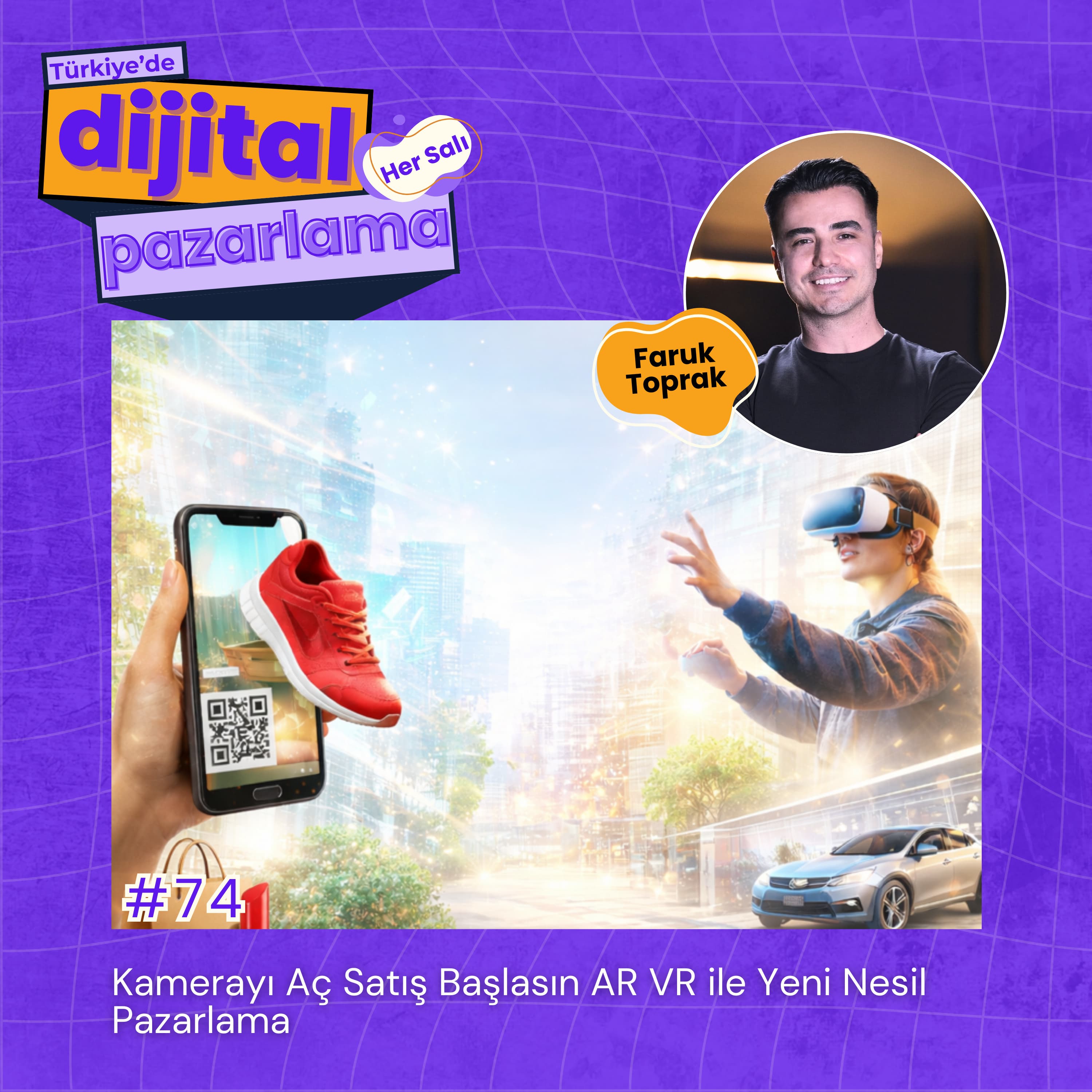
00:12 Real AR experience starting with QR code
01:11 What are AR and VR and their fundamental differences
01:59 AR or VR in marketing: when and which to use
03:35 Real campaign examples and use scenarios
03:48 Product inspection reduces return rates
05:07 Gamified campaigns with AR
06:53 Most used industries
09:49 AR and VR difference in offline marketing
11:18 How brands should start with AR and VR
12:45 Measurement and conversion tracking
13:54 Most common mistakes
15:02 Clear action plan for brands
Ads are no longer watched, they're experienced.
In this episode, we discuss in detail how augmented reality (AR) and virtual reality (VR) technologies are fundamentally transforming marketing and opening a real experience space for your brand.
Until now, marketing has largely been based on: Show the message, grab attention, click, sell.
But with AR and VR, this equation changed. Now the user doesn't just see the ad; they interact with the product, try it, discover it, and make their decision much faster. This episode explains exactly what this transformation means.
In the first part of the episode, we clarify:
What is AR, what is VR, what's the difference between them, and which should be used when in marketing?
We explain in simple language why AR enters daily life faster, why VR creates a higher "wow effect," and which goals these two technologies serve for brands.
Next, we dive into real campaign logic and example structures.
How does AR inspection of a product reduce return rates?
How do packaging, posters, and in-store materials start to "communicate"?
How does an offline touchpoint transform into a measurable sales channel with the right AR experience?
I explain all these questions through concrete examples.
In this episode, we specifically cover these topics in detail:
• Why AR and VR are much more powerful in marketing than traditional ads
• How they're used in e-commerce, cosmetics, fashion, furniture, automotive, real estate, and tourism sectors
• How social media filters should be structured not just for entertainment, but for sales and brand recall
• How VR showrooms and experience spaces make a difference at events and trade shows
• How to integrate AR with QR, NFC, and visual recognition in offline marketing
We also cover step-by-step how to start with these technologies.
Which format is more correct for which goal?
WebAR, social AR, or VR experience?
How should measurement be done, how should it connect to CRM and remarketing?
How to create AR and VR structures that aren't just "cool" but truly produce results?
At the end of the episode, I clearly discuss the most common mistakes and why brands can fail in this area. Because when AR and VR aren't combined with the right strategy, they remain just short-term entertainment. When structured correctly, they become a powerful part of your marketing funnel.
If you're curious about next-generation, experience-focused, and truly differentiating marketing methods for your brand, this episode is for you.
I'm Faruk Toprak.
We continue discussing the present and future of digital marketing in Turkey together.
Episode transcript
(2071 words, Turkish)
Automatically generated from the audio; may contain minor spelling or punctuation errors.
Bugün markanıza yepyeni bir oyun alanı açan iki teknolojiyi konuşmak istiyorum. Arttırılmış gerçeklik yani Augmented Reality ve sanal gerçeklik yani Virtual Reality. Geçenlerde bir kafede beklerken masada küçük bir QR gördüm ve okuttum. Menüyü açarım diye düşündüm, okuttum, telefonun kamerası açıldı ve bir anda masanın üstünde 3 boyutlu bir kahve bardağı belirdi. Sonra onu döndürdüm, içeriğine baktım, yanımda tat profili çıktı, hatta süt alternatiflerini seçince bardağın rengi bile değişti. Şimdi bunu bir düşünün, bu aslında bir menü değildi.
Mini bir deneyimdi benim için ve deneyim yaşatan markalar artık sadece akılda kalmıyor, satın aldırıyor. Düşünsene adam bana podcast bölümü çektirtti. Şimdi bugün şu 4 şeyi netleştirmek istiyorum. AR ve VR tam olarak nedir ve farkı nedir? Hangi sektörlerde etkili bir şekilde çalışır? Gerçek örneklere bakalım, kampanya kurgularına konuşalım.
Bir de offline tarafta nasıl entegre edilir ve ölçülür? Bugün bu 4 konu üzerine sizlerle konuşmak istiyorum. Herkese selamlar. Türkiye'de dijital pazarlama podcastine hoş geldiniz. Ben Faruk Toprak. En çok karıştırılan AR ve VR nedir ve bunun farkları nelerdir bunu konuşalım.
Şimdi AR arttırılmış gerçeklik demek. İngilizce'de kısaltma yani AR diye yazılıyor, AR diye okunuluyor. Augmented Reality aslında İngilizcesi. Yani gerçek dünyanın üstüne dijital bir katman bindirdiğinizi düşünün. Bu telefon kamerası olabilir, tablet, akıllı gözlük gibi cihazlar olabilir. Bunlarla bakınca gerçek dünya aynı kalıyor ama üzerine bilgi, efekt, 3D obje veya yönlendirme eklenebiliyor.
VR ise daha farklı sanal bir gerçeklik demek. Burada kullanıcı gerçek dünyadan tamamen kopuyor. Tamamen dijital bir ortama giriyor ve VR gözlüğüyle bir mağazanın içinde gezinebiliyor. Bir otel odasını dolaşabiliyor ve bir arabanın içine oturabiliyor. Şimdi pazarlama açısından en kritik fark şu arkadaşlar. AR günlük hayata daha hızlı girer çünkü telefonla çalışır ve erişimi kolaydır.
Yani akıllı bir cihazla çalışıyor. VR ise daha çok wow etkisi yaratıyor. Etkinliklerde, showroomda, eğitimde ve premium deneyimlerde aşırı olarak güçlüdür ve kalıcılık sağlar. Bu iki teknoloji aslında aynı hedefe çalışıyor. Daha fazla dikkat, daha uzun etkileşim, daha yüksek hatırlanma ve mümkünse tabii ki de daha yüksek dönüşüm. Çünkü klasik reklamlar izletir, AR ise oynatır.
Bunu en güzel böyle anlatabilirim. Yani AR pazarlamada neden bu kadar büyüyor bunu konuşalım. Kullanıcı pasif değil aktif olur. Çünkü klasik reklamlar izletiyor, AR ise AR, tabii AR'ı söyleyince AR gibi çıkıyor kulağa geliyor. AR ise oynatıyor. Şimdi bir filtre yaparsınız.
Kullanıcı kendini çeker ve paylaşır. Bir ürün denetirsiniz. Kullanıcı kararını hızlandırır. Bir paket tasarlarsınız. Kullanıcıyı, kutuyu, okutur ve hikayeyi görür. AR'ın gücünü görüyor musunuz?
Özellikle sosyal medya platformlarında AR çok ciddi bir ime kazandı. Snapchat tarafından değil mi? Yani birçok insan kullanıyor. Sosyal ticaret ve AR alışveriş deneyimleri üzerine yayınlar ve etkinlik duyuruları, markaların hem AR'ı hem uygulama içinde hem de gerçek dünyada deneyime çevirdiğini açıkça gösteriyor arkadaşlar bu bize. Burada pazarlamacı olarak bizler şunu sevmeliyiz bir kere. AR ile tıklamak yerine deneyimletmeliyiz arkadaşlar.
Çünkü mümkün oluyor artık deneyimletmek. Şimdi örnek olay ve kampanya fikirlerini de konuşalım. Burada da size 6 tane örnek bir çatı belirleyeceğim. Yani 6 tane örnek konuyu belirleyeceğim ve bunlar birebir kopya değil markanıza uyarlayacağınız şablonlar olacak arkadaşlar. Bakın. Ürün denet iade oranını düşür.
Bir numara. Kozmetik, gözlük, saç rengi, aksesuar hatta mobilya gibi alanlarda kullanıcı bunu kendinde görüyor. Ardından karar veriyor ve satın alma işlemini gerçekleştiriyor. E-Consultancy'nin derlediği AR marka örneklerinde bu deneme ve deneyim tarafının farklı sektörlerde nasıl kullanıldığını da gösteriyor arkadaşlar. Bu rapora da mutlaka bakın. Ben çok sevdim bu raporu.
Özellikle gözlükle mesela Ray-Ban yaptı bunu değil mi? Kamerayı açıyorsun, gözlüğü üzerinde yani yüzünde görüyorsun. Deneyimletiyor sana bunu. Bu da ne yapıyor? Hem iade oranının azalmasını sağlıyor. Yani kullanıcı ben bunu beğenmedim deyip geri iade etme olasılığı düşüyor.
Çünkü AR aracılığıyla satın almadan önce görüyor bunu. Ürünü kontrol etmiş oluyor üzerinde. Bu birde. İkide de ambalajı konuşturarak rafları dijitalleştirebilirsiniz. Özellikle market tarafında aynı kategoride 30 tane ürün olduğunu düşünün. Ambalajı okutan kişi ürünün hikayesini, kullanımını, tarihini hatta belki mini bir oyunu bile görebiliyor olsun.
Bu offline satış noktasında müthiş bir fark yaratır ve sizi diğerlerinden ayırır arkadaşlar. Çünkü interaktif bir ürün ve ambalaj yaratmış oluyorsunuz. Kampanyalarınızı AR ile oyunlaştırabilirsiniz. Bu da üçüncü sırada. Yani bir stiker, bir afiş ve bir standee düşün. Okutunca mini bir oyun açılıyor ve skor yapanı indirim kodu, mağazada kullanacağı kıpon ya da çekiliş hakkı veriyor.
Bakın burada da oyunlaştırarak bir kampanya etkinliği gibi düşünün bunu. 4'te de mesela sosyal AR filtreleri ile UGC'yi patlatabilirsiniz arkadaşlar. Bu çok tuttu Instagram'da ve Snapchat'te. Influencer'ı gerektirmeden bile kullanıcı içerik üretebiliyor burada. Bu formatın 2025 tarafında en çok kullanılan kampanya tiplerinden biri olduğunu listeleyen örnek derlemeler bile var arkadaşlar. Buradaki strateji şu, filtreyi eğlenceli yap ama sonunda net bir ürün aksiyonu olsun.
5'te de VR ile etkinlikte ben buradayım hissi verdirtin kullanıcıya. Fuar, lansman, pop-up'lar, AVM aktivasyonları ve etkinlikleri. Buralarda arkadaşlar kullanıcı VR ile ürünün üretim sürecini gezebilir. Fabrikanın içine girebilir. Bir hikayenin kahramanı olabilir. Bu deneyimin benzeri Vision Pro gibi cihazlarda konser ve etkinlik içeriğinin orada olma hissini nasıl güçlendirdiğini haber örneklerde de görebiliyoruz zaten.
Bunu yapanlar var ve çok da başarılılar. Ve son olarak 6. maddede VR showroomlar. Bakın otomotivde, gayrimenkulde, turizmde, endüstriyel ürünlerde gerçek showroom kurmak artık çok pahalı. VR ile her şey tek alanda olabilir. Kullanıcı farklı model, farklı renk ve farklı konfigürasyonları da VR aracılığıyla deneyebilir. Şimdi en çok hangi sektörlerde bunlar çalışıyor biraz da buna bakalım.
Şimdi benim tecrübemde en yüksek etki şu sektörlerde e-ticaret ve perakende açık ara. Ürünü denetebiliyoruz, ölçtürebiliyoruz, uyum ve kombin sağlanabiliyor ve evde görselleştirme sağlanabiliyor arkadaşlar. Sonra kozmetik ve moda, try on dediğimiz filtreler, stil danışmanı hissi, kullanıcılarda bir marka değerini yükseltme algısı yaratabiliyor. Sonra mobilya ve dekorasyonda, ev içinde konumlandırma, uygulamayı tutuyorsun bir anda o alana, o köşeye bir koltuk ya da bir lambader ya da bir dekor değil mi? Bunlar gelebiliyor artık. Ölçü ve stil uyumuna göre AR'la yani arttırılmış gerçeklikle sanki o ürünler odanızın o köşesinde duruyormuş hissi veriyor size.
Görüntüyü de sağladığınızda ya bu yakışır ya da bu yakışmaz diyebiliyorsunuz. Otomotivde Configurator dediğimiz konfigürasyon sağlanabiliyor. Eğer o janta eklerseniz arabaya ne olur? İşte bu kararmış aynaları eklediğinizde ne olur gibi ya da renk değiştirdiğinizde nasıl görünür şeklinde bir konfigürasyon sağlayarak arttırılmış gerçeklik hissi sağlayabiliyorsunuz. VR'da da test sürüş simülasyonu sağlanabilir, iç mekan deneyimi sağlanabilir. Bunlar da otomotiv tarafında en çok kullanılabilir yöntemler.
Gayrimenkulde arkadaşlar şu an çok popüler değil. 3D var ama AR ve VR tarafı çok popüler değil ama bunlar popüler olacak. Gayrimenkul tarafında daireyi gitmeden gezdiğinizi düşünün, hayal edin. Ya da manzara simülasyonu ile projeyi ön izleme yaptığınızı düşünün arkadaşlar. Yani kapıdan giriyorsun o dairenin içine girmiş gibisin değil mi? Ya özellikle bu yıl itibariyle yurt dışından daire alımı vesaire bunlar çok popüler olduğu için yani hani mesela Dubai'den daire alacaksın.
Dubai'ye gitmene gerek kalmayacak artık. Tabi Dubai örneği verdim ama bu başka bir ülkede olabilir. Şimdi Dubai'nin reklamını da yapmayalım. Ya da İzmir'den bir daire alacaksın değil mi? Ben İstanbul'da yaşıyorum. İzmir'de bir daire beğendim.
İzmir'e gitmek yerine hop VR gözlükle geziyorum. Tabi güvenilir ise karşı taraf bilindik bir emlakçı ve markaysa ya da tanıdık biri ise bu sayede e-devlet üzerinden ya da noter üzerinden daire alımı gerçekleştirilebilir. Turizm ve etkinlik arkadaşlar otel odası bakın çok önemli ve çok değerli. Otelin nasıl göründüğünü, odanın nasıl göründüğünü gösteren artık eski düzen yani resimlere, görsellere bakarak karar vermek yerine daha VR deneyimiyle bu kararları vermemiz kolaylaşacak. Destinasyonun öngösterimi ve deneyim pazarlaması burada çok etkili olacak arkadaşlar. Eğitim ve B2B bunlar kaçınılmaz.
Özellikle eğitim sektöründe AR'lar, VR'lar bunlar artık ileri düzey seviyesine gelecek. Eski tip moda eğitimler bitecek. Yani ürün eğitimleri, teknik anlatım, satış ekipleri için demo bunlar arkadaşlar dediğim gibi AR ve VR'ı çok aktif kullanacaklar. Şimdi bunlar online'da kullanılanlar da aslında. Bir de offline tarafa bakalım. Yani offline'de, pazarlamada AR ve VR nasıl kullanılır biraz da bunlara değinmek istiyorum.
Şimdi aslında en kritik yere geldik. Çünkü birçok marka var. AR'ı ve VR'ı sosyal filtre diye düşünüp bırakıyorlar. Oysa offline tarafı asıl çarpan etkisi yaratıyor arkadaşlar. Bakın offline çok etkili. Offline'de nerelerde kullanabiliriz?
Mağaza içi raflar ve standlar, broşürler, kataloglar, kart vizitler, outdoor billboardlar ve durak reklamları, bar standı, demo alanları, ürün ambalajı ve etiketler ya da deneyim köşesi VR bootlar oluşturabiliriz. Buralarda bu kullanıcıya ya da müşterilere deneyimi yaşatabiliriz. Offline entegrasyonun altın kuralı da şu. Tetikleyici çok net olacak.
Yani QR, NFC veya görsel tanıma burada çok iyi çalışması lazım. Ödül veya fayda çok net olacak. Yani indirim, bilgi, eğlence ve hızlı karar. Kullanıcıyı yanıltmadan bu bilgileri vermemiz lazım. Örnek bir kurgu mesela size anlatacak olursam, AVM'de bir afiş düşünün.
Okutunca AR ile ürün 3D çıkıyor. Kullanıcı rengi seçiyor. Beynince mağazada şu kasada %10 kodu geliyor. Sonra mağaza içi ekranlarda da o kodun kullanım sayısını, satışa etkisini ölçebiliyoruz. Mesela bunu düşünelim.
Ya da Snap'in kamera kiti gibi çözümleriyle AR'ı uygulayarak web sitesi veya gerçek dünya temas noktalarına taşıma yaklaşımıyla bu hibrit kurguların neden çoğaldığını aslında çok iyi anlayabiliyoruz. Nasıl başlanır, nasıl entegre edilir? Biraz da bunu konuşalım. Şimdi AR'ı ve VR'ı anlattım size.
En çok kullanılan alanları da anlattım. Şimdi bunun marka seviyesini indirgeyelim. Yani markanızı indirgeyelim bunu. Ben olsam mutlaka şu adımlarla giderim. Bir, hedefi seç. Ya hedefsiz tabii hiçbir şey olmaz ama burada birinci sarıda hedef geliyor.
Satış mı? Lead mi? Mağaza ziyareti mi? Yoksa marka hatırlanması mı? Hedefimizi seçiyoruz. İki, en doğru formatı seçiyoruz.
Hızlı ve ölçeklenebilir istiyorsan web AR burada çok önemli. Ve sosyal büyüme istiyorsan, sosyal AR lensler burada çok önemli. Premium deneyim istiyorsan da VR Boot veya VR Showroom dediğimiz alanlar burada çok önemli. Bak formatı seçiyorum. Önce hedefi seçtim. Sonra formatı seçtim.
Sonra içeri üretiyorum. 3D model mutlaka gerekiyor. Çünkü kullanıcının onu 3D boyutta görmesi lazım. Yani basit animasyon gibi değil de 3D model şeklinde yapmamız lazım. Ve doğru ışıklandırma sistemlerini kullanmamız gerekiyor. Ürün gerçek hayatta nasıl görünüyorsa o doğruluğu yakalamamız lazım.
Yanıltıcı bir şey göstermeyelim. Gerçekten o doğruluk hissini görsel olarak kullanıcılara yaşatalım. Dağıtım noktalarına karar vereceğiz bu dördüncü aşama. Yani meta mı, TikTok mu, Snapchat gibi platformlar mı? Yoksa web sitesi landing page mi? Yoksa mağaza içi QR'lar ya da ambalajlar ya da outdoorlar mı?
Buna karar vereceğiz. 5'te de ölçümleme yapacağız. Tabii ölçümleme olmadığın hiçbir şey olmaz. Yani AR etkileşim süresi neydi? Tamamlama varsa tamamlama oranı kaç? Tıklama ve sepete ekleme durumu nasıl?
Pon verdiysek kullanılıyor mu? Ya da mağaza içi ziyareti yönlendirdiysek kullanıcılar mağazaya geliyor mu? Satış oluyor mu? Bu tarafı kurmazsan sadece AR ile VR eğlence olur. Yani iş sonucu ulaşmaz. İnsanları eğlendirmiş olursunuz.
6'da da CRM veriyi targeting entegrasyonu. Bakın AR deneyimini yaşayanları ayrı bir segmentasyon kategorisine mutlaka koyun. Ayrı bir şekilde segmente edin. Çünkü bu segmente özel ürün önerisi ve remarketing yapabiliriz. Bunu yaptığında da AR ve VR kampanya olmaktan çıkıyor artık bu panelin bir parçasına dönüşüyor. Her yeni bir cihaz hype ile gelir ama hype ile kitleselleşmez.
Örneğin Vision Pro tarafındaki beklenti ve satış ivmesi ile ilgili dalgalanma haberleri çıktı. Hatırlarsanız belki. Bu da bize şunu söyledi. Stratejiyi tek bir donanıma bağlama, erişimi yüksek kanallarla başla. Yani baby step'lerle başla. En çok yapılan hataları da ben size söyleyeyim.
Benim gördüğüm yine deneyimlerimden yola çıkarak. Arkadaşlar sırf havalı diye bunu yapmayın. Bak az önce saydığım 6 maddeye de erişemiyorsan bu havalı benim markama değer katar gibi yapma. Milleti eğlendirmek istiyorsan yapabiliriz. Ürünle ilgisiz efekt yapma. Yani ürünle ilgisizse eğer efektin kullanma.
Offline tetikleyiciyi görünmez koyma asla. Bu da çok önemli. İndirme zorunluluğu yüzünden kullanıcıyı da kaybetme. O AR deneyimini yaşatmak için de kullanıcıya gidip bir mobil uygulama indirtmeye çalışma. Ölçüm kurmadan da bu sistemi yayına alma. Ölçümlemeden hiçbir şey olmaz.
Benim sana önerim önce küçük bir pilot sonra iyi çalışanı ölçümleme, ölçekleme şeklinde yapabilirsin. Özetle AR ve VR markanızı daha fazla reklam alanı değil daha fazla deneyim alanı açar. Bakın buradaki ayrıntıyı kaçırmayın. Deneyim yaşayan kullanıcı daha uzun kalır, daha çok hatırlar ve daha hızlı karar verir. En çok ihtiyacımız olan şey bu değil mi? Kullanıcının daha hızlı karar vermesi.
Eğer bugün markanız için bir adım atacaksanız şunu yapın. En çok satan bir ürününüzü seçin. Onu AR ile denetilebilir bir hale getirin. Ve offline tetikleyicilerle mağaza, ambalaj, afiş gibi noktalara bağlayın. Sonra bunu ölçün, optimize edin ve büyütün. Ben Faruk Toprak.
Bu tarz içeriklerin devamı gelsin istiyorsanız bölümü paylaşmayı unutmayın. Beni Spotify'da, Apple Podcast'ta ve YouTube'da takip etmeyi unutmayın. Instagram'da da FRKTPRK. Kendinize çok iyi bakın. Bir sonraki bölümde yeni bir pazarlama stratejisiyle, belki de yeni teknolojilerle, tekrardan sizlerle görüşmek dileğiyle. Hoşçakalın.
Don’t miss an episode
New episode every Wednesday - follow on Spotify & Apple Podcasts, or get the newsletter.