
Personalization and Artificial Intelligence in Customer Experience
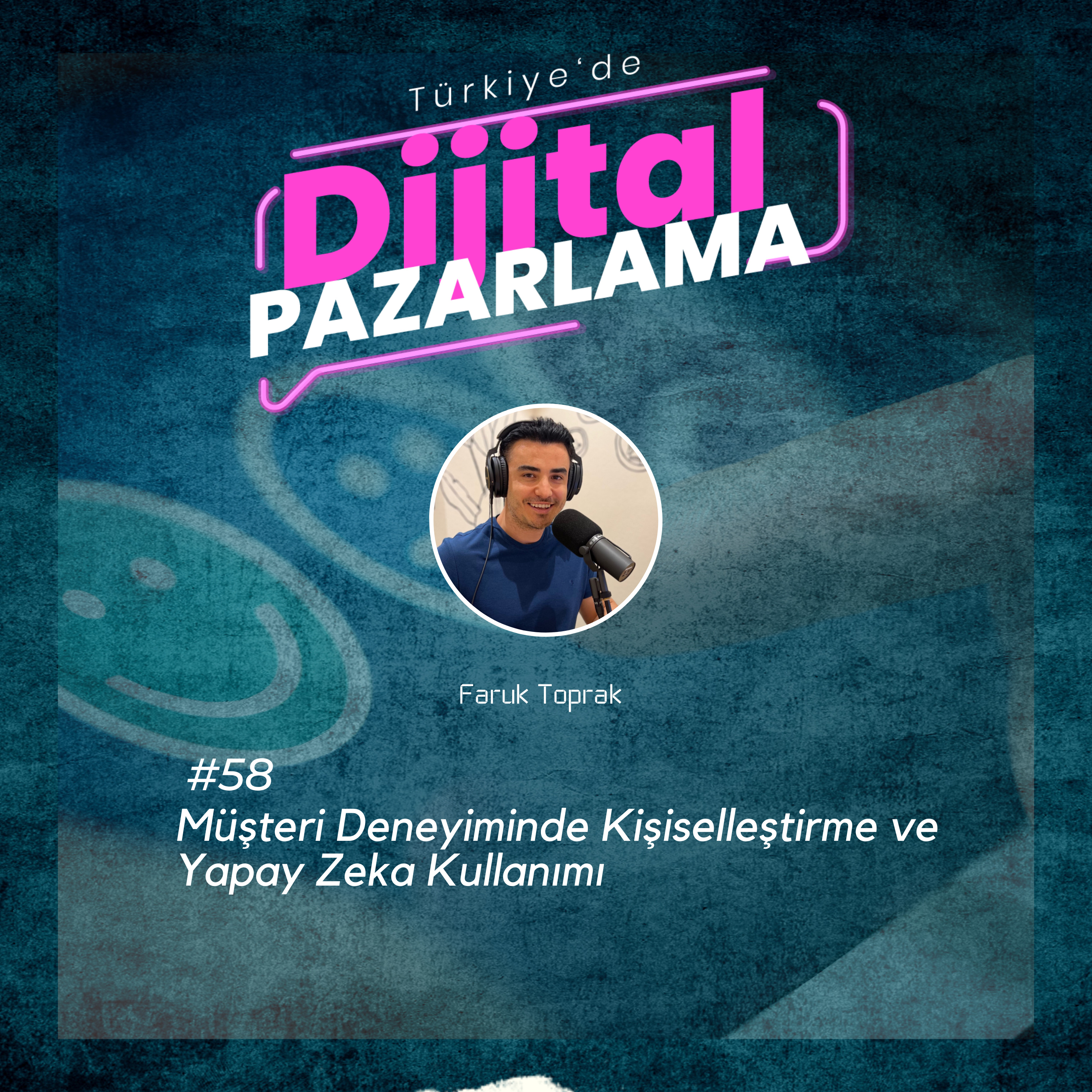
Personalization and Artificial Intelligence in Customer Experience
Customer experience is no longer just a matter of service quality—it has become one of the most powerful weapons brands use to create competitive advantage. In the rapidly changing world of digital marketing, personalization has become one of the most effective ways to strengthen the bond between customers and brands. But what technology makes this personalization possible? Artificial intelligence, of course.
Why Personalization is So Important
Every customer expects brands to make them feel special. One-size-fits-all messages, sending the same emails or ads to everyone no longer works. Instead, it's necessary to analyze each customer's behavior, preferences, and needs, and provide them with the most suitable content.
Behavioral Analysis with Artificial Intelligence
Artificial intelligence can analyze the digital footprints customers leave behind to predict which products they're interested in, which content they spend more time on, or when they're likely to make a purchase. This enables brands to present the right offers to their customers at exactly the right time.
Dynamic and Personalized Content
Today, emails, websites, and mobile applications can be personalized with the support of artificial intelligence. Amazon's recommendation engine, Netflix's content recommendations, or Spotify's weekly discovery playlists are the most well-known examples of this technology. Since each customer experiences a personalized experience, their connection with the brand strengthens.
Chatbots and 24/7 Support
AI-powered chatbots in customer service are an important part of personalization. We're no longer talking about simple bots that just respond quickly, but intelligent assistants that recognize the customer, remember past conversations, and direct them according to their needs. This both reduces costs and increases customer satisfaction.
Predictive Marketing Strategies
One of the most powerful features of artificial intelligence is its ability to predict not just existing data, but also future behavior. It becomes possible for a bank to predict which customer will need a loan in which period, or for an e-commerce site to know in advance which region will have higher sales of which product.
Real-World Examples
Starbucks offers personalized campaigns through its mobile app and significantly increases sales through it. Sephora recommends suitable products to customers through AI-powered facial analysis. Netflix not only recommends content but also determines at what time each content should be presented.
Data Security and Ethical Issues
The security of data collected for personalization is of great importance. Customers expect brands to be transparent and to use their data in accordance with ethical standards. If trust is not established, personalization can cause harm rather than benefit.
Conclusion
Personalization is no longer a luxury but a necessary strategy for brands to survive. Artificial intelligence makes this strategy more scalable, more efficient, and more effective. In the future, customers won't adapt to brands, but brands will adapt to customers, and the role of artificial intelligence in this transformation will be even more critical.
Episode transcript
(1809 words, Turkish)
Automatically generated from the audio; may contain minor spelling or punctuation errors.
Herkese selamlar Türkiye'de Dijital Pazarlama Podcast'ine hoş geldiniz. Bugün sizlerle iş dünyasında büyük fark yaratan ve geleceğinde aslında tam ortasında yer alan çok önemli bir konuyu konuşmak istiyorum arkadaşlar. Bugünkü konumuz müşteri deneyiminde kişiselleştirme ve yapay zeka kullanımı. Artık hepimiz biliyoruz değil mi? Yani dijital pazarlama dünyasında en önemli değerlerden birisi müşteriyi tanımak ve ona özel deneyimler sunabilmek. Çünkü rekabet o kadar fazla ki ve tüketicinin dikkat süresi o kadar kısa ki alternatifler sınırsız yani sınırsız sayıda.
Bunlardan ötürü bu yüzden markaların ayakta kalabilmesi için müşterinin kendisini özel hissetmesini sağlaması gerekiyor. Tüm markalar bunu sağlamak zorunda. İşte tam bu noktada yapay zeka devreye giriyor. Peki yapay zeka müşteri deneyiminde nasıl kullanılır? Gelin bunu adım adım ele alın. Birinci nokta davranışsal veri analizi.
Bakın yapay zeka müşterilerin web sitelerinizde, mobil uygulamanızda ya da sosyal medyada ya da mağazalarda, fiziksel mağazalarınızda bıraktıkları dijital izleri analiz edebiliyor. Bu verilerden hareketle müşterilerinizin ilgi alanlarını, satın alma niyetini ve ihtiyaçlarını öngörebiliyor. Örneğin bir tane e-ticaret sitesinde sürekli spor ayakkabı kategorisine bakan bir kullanıcıya, yapay zeka o kişinin ilgisini çekecek yeni ayakkabı modellerini, indirimleri ya da ona özel fırsatları gösterebiliyor. Özellikle bunu nerede kullanıyor?
Büyük markalar. Çünkü büyük markalar var ya, ah o büyük markalar. Özellikle baş harfi T öyle bir bildirim gönderiyor ki, yahu sepete eklemiş kullanıcı. Tamam kredi kartında limit yok, ekstresini bekliyor garibim, ekstresi bitsin, ödeme tarihi gelsin ödesin, sonra satın alacak zaten onu. Yani ama o markalar, büyük markalar öyle bir bildirim gönderiyor ki ekstre daha gelmeden ödemeyi yapmadan kullanıcı alıyor. Neden alıyor?
Çünkü çok güzel bir indirim sunuyor ve kullanıcı diyor ki ya ben çok güzel kâra geçtim. Gerçekten kâra mı geçti tartışılır. Bazı kampanyalar çok iyi ama bazı kampanyalarda gerçekten insanları manipüle etmeye yönelik. Ürünün fiyatı 2000, çıkarıyor 2100'e, düşürüyor 2000'e, yahu sepete eklediğiniz fiyatı unutuyorsunuz belli bir süreden sonra. Ama sanki gerçekten büyük bir indirim varmış gibi hemen hızlı bir şekilde satın alıma yöneliyorsunuz. Ya da size o kadar güzel bir teklif sunuyor ki reddedemeyeceğiniz bir bildirim geliyor.
Dolayısıyla sizi harekete geçiriyor. Bakın bu pazarlamada çok güzel, mantıklı ama arkasında bir insan yok. Bu trigger'larda, trigger diyoruz biz bunlara, tetikleyicilerde bir kişi yok. Çünkü o markanın zaten var 80 milyon müşterisi ya da kullanıcısı artık her neyse. Ve o kullanıcılara tek tek sepetine eklediği ürünlere yönelik bir bildirim göndermek böyle bir kişinin yapabileceği bir iş değil arkadaşlar. Bakın ben size söyleyeyim.
Dolayısıyla arka tarafta bir zeka çalışıyor, bir makine çalışıyor. İşte yapay zeka. Bu birinci noktamız. Davranışsal veri analiziydi. Bunu cebe koyduk. İkincisi de dinamik kişiselleştirilmiş içerik.
Bakın bu özellikle çok teknik bilgiye sahip olmanıza gerek yok. Hepinizin yapabileceği bir konu. Eskiden herkes aynı e-maili alırdı, aynı kampanya mesajını görürdü. Bugün ise sistem farklı. Bugün yapay zeka sayesinde her müşteri farklı bir içerikte karşılaşabiliyor. E-postalarda kişiye özel ürün önerileri sunabiliyoruz.
Web sitelerinde kullanıcıya göre değişen bannerlar oluşturabiliyoruz. Ve da sosyal medyada kişiselleştirilmiş reklamlar kullanıcının karşısına çıkartabiliyoruz. Bu noktada özellikle Amazon'un öneri motorunu ya da Netflix'in film öneri sistemini ya da Spotify'ın haftalık keşif listelerine örnek verebiliriz. Öyle değil mi? Yani ben Netflix'i açtığımda, gerçi artık Netflix üyeliğim de yok bu arada,
yaklaşık bir 3 aydır üyeliğimi sildim. Disney'de, Amazon Prime'da, Netflix'e hepsini de sildim. Televizyona da kara kutu diyorum, izlemiyorum. Çünkü bir hedef koydum kendime ve o hedefe gidene kadar film, dizi, TV, her şeyi çıkardım hayatımdan. Eğer bir boş vaktim varsa ya da akşam eve erken geldiysem alıyorum kitabımı elime, açıyorum şöyle biraz kitap okuyorum ya da işte podcast için araştırmalar yapıyorum gibi gibi.
Neyse nereden geldik? Netflix film önerisinden geldik. Yani şimdi ben Netflix'i kapattım. Neden kapattım? Yahu bir açıyorum, hipnoz oluyorum. Neden?
Çünkü beni o kadar iyi tanıyor ki. Kız arkadaşım yok ama olsaydı kız arkadaşımdan da iyi tanıyacaktı beni. Bana öyle güzel filmler öneriyor ki hadi tıkladı izle. Hadi yiyorsa izleme yani. Hani geçiyor orada 1 saat, 2 saat, 3 saat. Bu ikinci nokta.
Dinamik kişiselleştirilmiş içerik. Kişiye özel içerikler sunma özelliği. Bakın ben size yeni bir şeyden daha bahsedeceğim. Şimdi meta özellikle Ray-Ban'la çok sıkı bir ilişki halinde değil mi? Güzel bir iş birliği yapıyorlar. Neden?
Çünkü bu giyilebilir cihaz teknolojisi çok farklı bir noktaya gidiyor. Şimdi telefonları cebimizde taşıyoruz ve ihtiyaç duyduğumuzda ya da telefon kullanma biri aradığında ya da kullanma ihtiyacı duyduğumuzda açıp kullanıyoruz ama gözlükler öyle değil. Güneş gözlüğü demeyeceğim ben bunu, gözlük diyeceğim. Çünkü karanlıkta lens transparan hale geliyor ve görüntü kalitesi de iyileşiyor. Dolayısıyla onları çıkarmamamızı istiyorlar o gözlükleri taktığınızda yahu gideceğiniz yere bile o gözlük kararı verecek. Ya da bir kafeye baktığınızda böyle hemen bir menü çıkacak.
Fiyatlar bu kampanya bu hadi gel içeri. E bunun bir sonraki versiyonu Black Mirror'ı izleyenler bilir akıllı lensler. Bakın bazı insanlar bu akıllı lensleri alabilmek için tabi bu arada kendi gözünüzden feraget etmeniz lazım. Yani kendi gözünüzü vereceksiniz ki akıllı göz gelecek size ve bence bunu bedava yapacaklar. Karşılığında da sizin gözünüzü alacaklar. Bir göz ya da iki göz.
Önce bir gözle başlar sonra iki göze çıkar bu olay ama ne görmemizi istiyorlarsa bize onu gösterecekler arkadaşlar. Bakın sarı rengi mavi görmeye başlayacağız. Öyle bir dönem gelecek. Acayip ama bu teknoloji çok da ne bileyim neyse uzun konu. Üçüncü nokta. Üçüncü konuya geliyorum şimdi.
Chatbotlar ve sanal asistanlar. Hala web sitende bir chatbot yoksa hemen orayı bir güncelleyelim. Müşteri deneyimini kişiselleştirme deyince chatbotları atlamamız mümkün değil. Çünkü whatsapp, web siteleri ya da sosyal medya kanalları üzerinden müşteriye anında dönüş yapan akıllı asistanlar 7-24 hizmet veriyor. Sen gece çalışmıyor olabilirsin ama senin için akıllı asistan çalışır ve 7-24 hizmet verir. Üstelik yapay zeka destekli oldukları için de müşteriyi tanırlar arkadaşlar bunlar.
Ve daha önceki konuşmaları hatırlarlar ve çok daha kişisel bir deneyim müşteriye sunar yapay zeka. Bu sadece müşteri hizmetleri maliyetini düşürmez. Aynı zamanda müşteri memnuniyetini de ciddi oranda arttırır. Neden arttırır? Çünkü müşterinin problemi çözülür ya da müşteri gerçekten duymak istediği şeyleri duyar. Dördüncü noktada öngörüsel pazarlama.
Bilmiyorum bunu daha önce duydunuz mu? Öngörüsel pazarlama. Tabii bunun için yapay zeka sadece bugünkü davranışları analiz etmiyor. Gelecekteki hareketleri de tahmin edebiliyor. Mesela bir banka müşterisinin harcama hareketleri de tahmin edilebiliyor. Alışkanlıklar aracılığıyla yani harcama alışkanlıklarını analiz ederek yapay zeka hangi dönemde krediye ihtiyaç duyabilecek ya da önceden tahmin ediyor bunu ya da bir e-ticaret sitesinin hangi ürünlerini hangi bölgelerde daha çok satılacağını öngörebiliyor.
Bakın Amazon depolarını buna göre seçiyor. Yani New Jersey'de Amazon'un çok büyük bir deposu var. Bunu neye göre seçti? O bölgeden sipariş edilen malların sayısı fazlaydı. Ve aynı zamanda mesela atıyorum Amazon'da kalem satılıyor, bardak satılıyor. Kalemler en çok New Jersey ve çevresinden satılıyorsa kalem stoklarının çoğu New Jersey'ye gidiyor.
Neden? Çünkü Los Angeles'da olsa Amerika'ya geçelim Türkiye'den örnek verelim. Şimdi Türkiye'de en çok alışverişler de yapılıyor İstanbul'da yapılıyor. Dolayısıyla birçok depo İstanbul'da ya da mesela kalem üreticisi 100 tane kalem üretiyor, 70'ini İstanbul'a gönderiyor, 30'unu Türkiye'nin geri kalan bölgelerine dağıtıyor. Ya da belirli bölgeleri dağıtıyor. İşte Marmara bölgesi, Akdeniz bölgesi.
Neden? Kargo maliyetlerini düşürmek için. Arkadaşlar çok ciddi bir maliyet var ve sadece bu hareketiyle yani bu öngörüsel pazarlama çalışmasıyla kargo maliyetlerinde çok ciddi bir düşüş elde edebiliyor işletmeler. Bu da dörtte. Beşincisi de müşteri yolculuğu optimizasyonu. Bakın müşteri önce ihtiyaç duyar, sonra araştırır, sonra karar verir, sonra satın alır.
Bu müşteri deneyimi dediğimiz şey aslında bir yolculuk. Reklamı gördüğü andan web sitesine girdiği, ürünü sepete attığı, satın aldığı ve hatta satın alma sonrası destek aldığı ana kadar bir süreç bu yolculuk. Yapay zekada bu yolculuğun her adamını analiz edip en pürüzsüz hale bu yolculuğu getirebilir. Yani müşterinin nerede takıldığını, neden sepete terk ettiğini ya da hangi aşamada desteğe ihtiyaç duyduğunu anında görüp çözüm sunabilir yapay zeka. Şimdi biraz da örneklerle bu konuları somutlaştıralım. Ben tabii anlatırken sürekli örnek verdim ama bir de normal bu örneklerle alakalı tanınmış markaları konuşalım.
Mesela araştırdım. Starbucks'da mobil uygulaması üzerinden kişiye özel kampanyalar sunarak her müşterinin kahve tercihlerine göre öneriler yapılıyor. Ve bu önerilerin satışları %20 oranında arttırdığı düşünülüyormuş. Starbucks'a ki mobil uygulama üzerinden. Ben de tabii başka bir marka önermiştim. T ile başlayan bir sanal pazar yeri.
Bir diğer marka da Sephora mesela. Sephora'da yapay zeka destekli bir uygulama ile müşterilere yüz taraması yaparak hangi kozmetik ürününün onlar için uygun olduğunu söylüyor. Böylece hem deneyim kişiselleşiyor hem de satın alma oranı yükseliyor. Düşünsenize uygulamayı aldığınız tarattığınız yüzünüzü bir anda size dedi ki hop dedi sen dedi kliniği kullan kliniğin yüz temizlemesini kullan sonra kliniğin maskesini kullan falan da filan. Şimdi bir tek kliniği bildiğim için onu söylüyorum ben de onu kullanıyorum. Bu arada bunların hiçbiri reklam değil bunu da söyleyeyim bunu söylemek zorunlu arkadaşlar.
Netflix'te bunu konuştuk zaten sadece içerik önerisi değil kullanıcıya hangi saatte hangi tür içeriği önerecek bunu da yapay zeka desteğiyle biliyor. Özellikle bunu YouTube çok iyi yapıyor. YouTube'da gece saatlerinde müzik dinliyorsanız ya da belirli kategoride müzik dinliyorsanız YouTube'u gece açtığınızda sadece müzikler çıkıyor. Ama mesela sabah kahvaltıda mesela ben YouTube'da haberleri açarım. Özellikle Nightly News var. CNBC ya da NBC'nin haberlerini açarım.
İşte hem Avrupa'da hem Amerika'da neler olmuş onlara bakarım. Türkiye'deki haberlere bakmıyorum. Çünkü Türkiye'de haber yok. Gündem var. Gündemde çok alakasız yani. Onlar ne veriyorsa biz onu alıyoruz.
O yüzden daha globale bakmaya çalışıyorum. Ve sabahları YouTube'a girdiğimde bana göre kişiselleştirilmiş bir ekran açılıyor. Öğlen girdiğimde farklı ekran açılıyor. Akşam girdiğimde farklı açılıyor. Yani sürekli bana haber göstermiyor. Akşamki hareketlerime göre yani zaman dilimime göre YouTube'un ana sayfası değişiyor.
Şimdi ben bunları anlattım ama burada dikkat edilmesi gereken noktalar da var tabii ki de. Özellikle veri güvenliği ve etik kullanımı. Yani bu insanların en çok kaygı duyduğu bir alan kişiselleştirme. Çünkü kişiselleştirme için müşteriden çok fazla veri topluyoruz. Bu verilerin nasıl saklandığı, nasıl işlendiği ve müşteriye nasıl şeffaf anlatıldığı da en az deneyimin kendisi kadar önemli. Eğer müşterinize güven vermezseniz kişiselleştirme de bir anda olumsuz bir algıya dönüşebilir.
O yüzden veri güvenliğine ve dikkat ediyoruz bu izinlere. Sonuç olarak hadi kapatalım. Podcast'ta güzel bir bölüm oldu. Müşteri deneyiminde kişiselleştirme markaların rekabette öne geçmesini sağlıyor. Bu rekabet düzeyinde güçlü bir ihme kazanıyorsunuz. Yapay zeka ise bu kişiselleştirmeyi ölçeklendirebilir ve sürdürülebilir kılıyor ki bütün markaların yapmak istediği, günün sonunda yapmak istediği şey bu.
Ne yaptık, ne ettik, ne aldık. Önümüzdeki yıllarda yapay zekanın kişiselleştirmeyi çok daha ileri boyutlara taşıdığını göreceğiz hep birlikte. Belki de artık müşteriler markalara değil, markalar müşterilere uyum sağlayacak. Benim bu bölüm için sizlere paylaşacaklarım bu kadardı arkadaşlar. Umarım sizlere ilham vermiştir. Siz de işletmenizde müşteri deneyimini iyileştirmek ve yapay zekadan faydalanmak istiyorsanız bu stratejilerle hemen başlayabilirsiniz.
Nereden başlayacağınızı da bilmiyorsanız farukatjoykek.com e-post adresim. Instagram'da da frktprk bana ulaşabilirsiniz. Sevgili dostum kendine çok iyi bak. Türkiye'de dijital pazarlama podcast'inin sonuna geldim. Haftaya salı günü yepyeni bir bölümle karşımda olacağım. Beni takip etmeyi unutma.
Hoşçakal. Bay bay.
Don’t miss an episode
New episode every Wednesday - follow on Spotify & Apple Podcasts, or get the newsletter.