
How Bot Accounts Buy Trending Topics on X (Twitter): The Impact of Social Media Manipulation on Digital Marketing
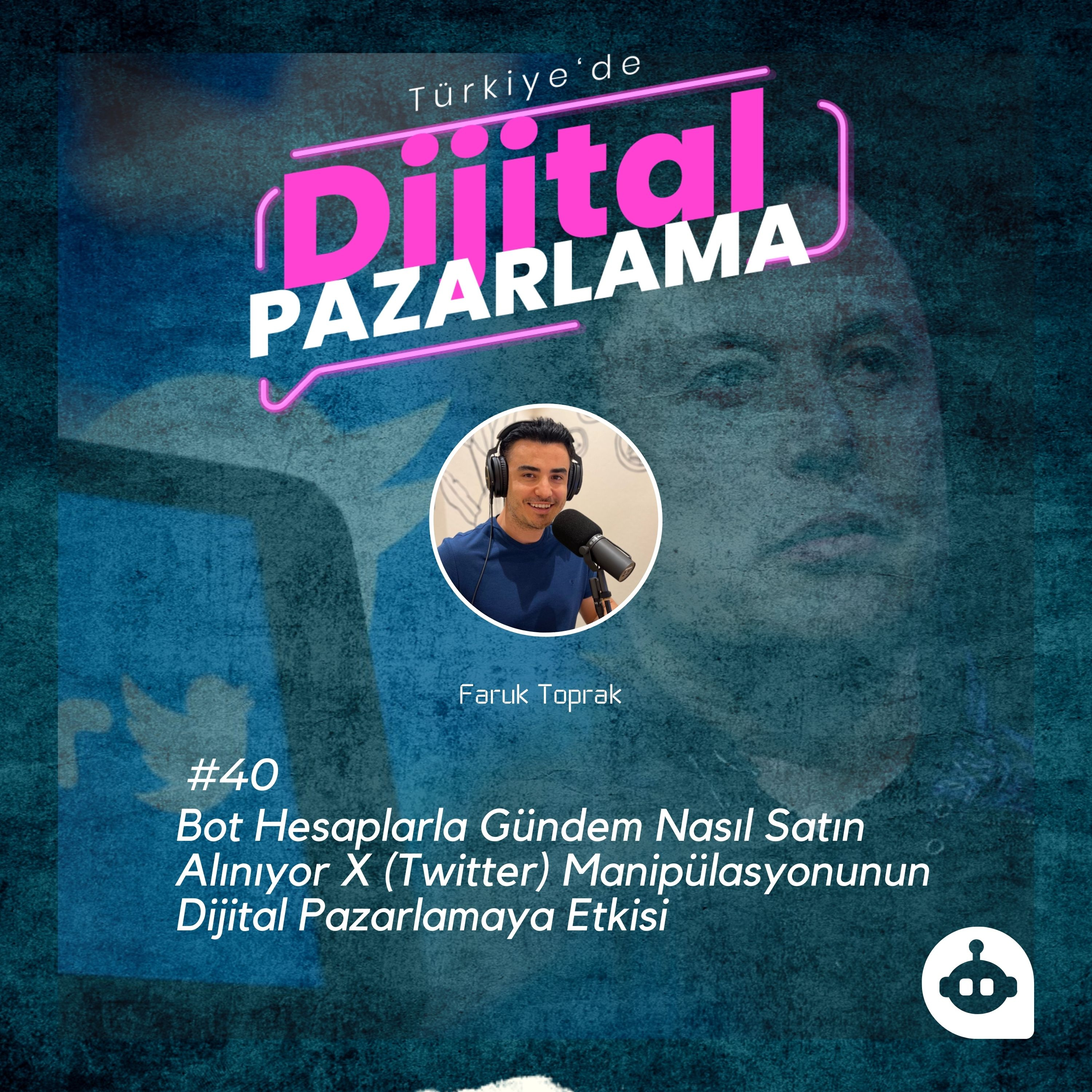
Social media platform X (formerly Twitter) is now a playing field not just for individuals, but for major strategies and hidden forces. In this episode, we deeply examine how bot accounts systematically used on X have become an effective manipulation tool both in Turkey and worldwide. We shed light with solid sources on critical issues such as fake accounts, artificial trends, political campaigns, commercial perception management, and how the marketing world is affected by this manipulation.
In this episode, you will clearly learn:
• How do bot accounts work?
• In which events in Turkey and worldwide has the agenda been manipulated?
• How are perception operations planned?
• Is X really a trustworthy platform?
• How can we protect ourselves from these manipulations?
Bot accounts are not limited to politics alone. They can directly impact many digital marketing processes, from cryptocurrencies to e-commerce products, from influencer campaigns to brand perception. Especially when content trending on lists is pumped not organically, but by thousands of software-managed fake accounts, it makes users question what they should believe. In this episode, I also share how X's algorithms work, what consequences the changes made after Elon Musk have brought, and critical findings detected by independent researchers.
In recent years in Turkey, during election periods, social events, and economic discussions, it has been clearly shown in various analysis reports that a significant portion of the hashtags that emerge are bot-supported. However, the problem is not just the existence of these bots; through the comments, mentions, and retweets made via these accounts, the perceptual power of brands, politicians, or thought leaders is shown to be much higher than it actually is. In other words, X has transformed from merely a communication tool into a perception-creation machine.
So what is the impact of this manipulation on digital marketing? How are companies' campaign strategies affected? How does appearing on trends that don't look organic damage consumer trust? How should principles of transparency and trust in digital be defended in this age of manipulation? In this episode, we answer all these questions with examples, statistics, and industry analysis.
🤖 What Are Bot Accounts and How Are They Identified?
• Bots are fake accounts controlled by software that behave like humans.
• Their purposes:
• Bring certain topics to the agenda
• Make hashtags trend
• Suppress real users' views
• Spread disinformation
• Generally accounts without profile pictures, posting many tweets, with very few followers or conversely inflated with fake followers.
• MIT & Harvard studies show: Bots are 7 times more effective than humans in spreading fake news.
💣 Are Bots Only for Politics?
• No! Commercial use is also very common:
• Crypto projects: Bots come into play to create quick hype.
• E-commerce products: Fake comments, mentions, tags used to attract attention.
• Negative comment campaigns launched by bots to discredit rival companies.
• Even influencers use bots to get on the trending list.
🛡 How Do We Protect Ourselves from These Manipulations?
• Don't believe hashtags immediately; search on Google first.
• Pay attention to hundreds of similar tweets posted at the same time.
• Check profile histories: Fake accounts are generally opened a few months ago.
• Frequently follow sources like "Teyit.org" and "Doğruluk Payı".
• Not everything that trends reflects the truth.
If you want to look beyond what you see in the digital world and see the big picture behind the scenes, don't miss this episode. An information-packed episode awaits you where you'll learn how bots work, what they affect and why, and what to pay attention to when making marketing decisions.
Don't forget to share this episode! Let's raise awareness together about bots and manipulation to many people...
Instagram : @faruktoprakx
Episode transcript
(1874 words, Turkish)
Automatically generated from the audio; may contain minor spelling or punctuation errors.
Ses 1, 2, 3, deneme, bu bir bot değildir, bu insan sesidir. Evet, arkadaşlar sıkıldık değil mi? Neyden? Botlardan sıkıldık ya. Robotlardan sıkıldık. Sürekli böyle bir tweet atıyorlar, yorum yapıyorlar, saçma sapan konulara giriyorlar. Nedir bu ya?
Neyden bahsediyorum? Tabii ki de Twitter'dan bahsediyorum. Ben Twitter'ı boykot ediyorum. Bakın 2020 yılında ben Türkiye'ye geldim, Amerika'daydım, 5 yıl Amerika'da yaşadım. 2015'te gittim, 2020'de geldim ama kendime yemin ettim. Dedim ki, Faruk dedim, o Twitter'ı kapatacaksın.
2020'de geldim, Twitter'ı kapattım. Her ne kadar ben dijital pazarlamayla iç içe olsam da, bu benim 15. senem dijital pazarlamada, bu sektörde, Twitter kullanmıyorum ve kullanmayı da düşünmüyorum. Boykot ediyorum ben. Niye? Ya sıkıldık ya.
Bu botlardan, gerçekten gerçek dışı hesaplardan, bu hesapların böyle ülke gündemlerini belirlemesinden, parayı veren düdüğü çalar misali, Türkiye'de, top 10'de, Twitter'da yer almaktan. Yani sosyal medyaysa bu sosyal medyadan bu bot hesapları çıkartılmalı. Yani Elon Musk gitti, Twitter'ı aldı ve sonra açıklama yaptı. Dedi ki, yok Twitter'da bot mod yok dedi, biz bunların sayısını azalttık dedi. Ulan dedim, bir kontrol edeyim, belki adam haklıdır.
Bir baktım, daha da kötü olmuş. Şimdi bugün X'i konuşacağız. X, eski sevgili değil tabii ki de, Twitter'ın şu anki adı X. Burada Twitter'da dolaşan görünmez bir gücü, yani botları ve bu botların nasıl kullanıldığını, aynı zamanda maalesef bu botların toplum üzerindeki etkilerini sizlerle konuşmak istiyorum. Belki sizler de bir fikir oluştururum, bir aydınlık oluşur.
Bu bölümde özellikle şu bölümlere değinmek istiyorum. Bot hesapları nasıl çalışıyor? Türkiye ve dünyada hangi olaylarda gündem manipüle edildi? Bunlara da biraz bakalım. Algı operasyonları nasıl planlanır? X gerçekten güvenilir bir platformu?
Şimdiden vereyim cevabını, hayır. Ve bu manipülasyonlardan nasıl korunabiliriz? Bu bölümde sizlere anlatacağım. Bir de şunu da söylemek istiyorum. Şimdi Türkiye'de yaşanan olaylar var. Tabii biliyorsunuz bir kesim başka bir konuşuyor, diğer kesim başka konuşuyor.
Ama şu çok hoşuma gitti. Gerçekten birlik beraberliği orada gördüm. TRT'den kovulan bir hanımefendi vardı. Ve o kişinin, o hanımefendinin postunun altındaki yorumları gördüm. Destekleyici yorumlar, birliktelik yorumları. Arkadaşlar yorum yapanlara baktım.
Hepsi insan. Sen ben gibi insanlar. Yani bot yok. O birlik beraberliği sağlayan, o yorumları yapan. Ama o güzel yorumların altına yorum yapan, kötüleyen yorum yazanlara baktım. Ne fotoğrafı var?
Ya da fotoğrafı varsa böyle saçma sapan bir ya şehir manzarası ya bilmem neyin logosu. Böyle acayip botlar, bot hesaplar. Sonra dedim ki ya hani burada bile kendinizi gösteriyorsunuz. Yani yorum yaparken bile bu algı operasyonda burada bile botları kullanıyorsunuz. Gerçek isminizi kullanamıyorsunuz. Gerçek fotoğrafınızı kullanamıyorsunuz dedim.
Yani sonra da bu Twitter konusu gündeme geldi tabii. Buna yönelik bir podcast yapayım dedim. Herkese selamlar. Ben Faruk Toprak. Türkiye'de dijital pazarlama podcastine hoş geldiniz. Sadece pazarlama değil, dijitali konuşmak istiyorum bu podcast serilerinde.
O yüzden gelin bu bölümde bot hesapları konuşalım ve algı operasyonları üzerine yorumlar yapalım. Botlar, yazılımlar tarafından kontrol edilen insan gibi davranan sahte hesaplardır. Bakın bu bot hesapların tanımıdır. Botların tanımıdır. Amaçları özellikle Türkiye gibi ülkelerde ya da Türkiye dışında mesela Almanya'da da böyle. Belirli konuları gündeme taşımak.
Birinci amacı. Hashtagleri trend yapmak. Top Topik gibi. Twitter'a X'e girdiğinizde trend topikte yer almasını sağlamak. O hashtaglerin. Gerçek kullanıcıların görüşlerini bastırmak.
Bakın bu da çok önemli. Yani karşıda insan yok. Botlar yorum yapıyor. Gerçek insanlar da sinirleniyor bu arada. Sen nasıl öyle bir şey yazarsın diye. Arkadaşım sakin ol.
O tarafta kişi bile yok. Bot o. Ve dezenformasyon, haberler, görüşler, yaymak. Genelde bu bot hesapları profil fotoğrafsız, çok sayıda tweet atan ve çok az takipçisi olan ya da tam tersi sahte takipçilerle şişirilmiş hesaplardır. MIT and Harvard çalışmaları gösteriyor ki botlar sahte haberlerin yayılmasından insanlardan 7 kat daha etkilidir. Bakın sahte haberlerin yayılmasında insanlardan 7 kat daha etkilidir botlar.
O yüzden benim buradan Twitter'a, Instagram'a, Facebook'a, Pinterest'e bu benzeri sosyal medya platformlarına seslenişim bugün şudur ki lütfen artık öyle bir teknolojiye sahibiz ki bu teknolojiyle gerçek insanların sizde hesap açmasına izin verin. Lütfen yapay zeka bu kadar gelişmişken bu bot hesapları eski teknolojiyle bu kadar iyi konumdayken hele bir de yapay zekayı şimdi dahil ederlerse teknolojilerine eyvah eyvah. Şimdi bu sadece Türkiye'ye özgü değil bu konuştuklarımız. 2016 yılında ABD başkanlık seçimlerinde özellikle Rusya merkezli bot hesaplar Trump lehine tweetler attı. Bakın Rusya merkezli bot hesaplar. FBI 3000'den fazla bot hesabı tespit etti ve Cambridge Analytica olayında da sosyal medya verileriyle seçmen davranışları manipüle edildi.
Bu bence tarihin en önemli olaylarından birisiydi 2016 senesinde ama bu konu üzerine belgesel çekildi konuşuldu edildi. Tabi yine Trump seçildi o ayrı bir konu çünkü botlarla bu işlemleri yapmış olan birisinin şu anda seçilmiş olması soru işareti. 2017'ye gelelim burada da Fransa seçimleri yine karşımıza seçimler geliyor. Bakın büyük olaylarda yani seçimler gibi olaylarda bunlar hep algı operasyonları. Macron karşıtı sahte belgeler bot hesaplarla yayılmaya çalışılmış 2017'de Twitter'da. Sonra Brezilya, Hindistan, Filipinler buralara baktığımda da liderlerin popülerliğini arttırmak için bot destekli sosyal medya orduları kurulmuş.
Bakın sosyal medya orduları. Bu ülkelerde de özgürlük kisvesi altında dezenformasyon yayılmış. Yani bu bana çok da yabancı gelmiyor. Çok yakınımızda olan konular aslında değil mi? O yüzden sosyal medya ordularına karşı dirençli olabilmemiz için sosyal medya platformlarından destek bekliyoruz. Bot hesaplarını lütfen yok edin.
Ortadan kaldırın. Peki Türkiye'de durum ne? Türkiye'de sosyal medya gündemleri çoğu zaman organik değil bir kere. Bu arada yapay zekadan da destek aldım. Bana dedim örnekler var dedim. Yani bot hesaplarıyla sosyal medya gündem nasıl değişiliyor ya da algı operasyonları nasıl yapılıyor diye örnekler var dedim.
ve bunu sadece AKP düşmanlığı şeklinde yapma dedim. Yani bana tarafsız ol dedim. Tamam dedi tarafsız olacağım dedi. Önce Sedat Peker hashtag'iyle alakalı bir örnek verdi. Sedat Peker hashtag dedi ki videolar döneminde Peker lehine ve aleyhine açılan etiketlerde bot hesaplar aktifti dedi.
Gerçek hesaplar değil bakın lehine ve aleyhine yani hem iyi hem kötü konularda bot hesaplar kullanılmış. İkinci hashtag'de de 128 milyar nerede etiketi bakın 128 milyar nerede etiketi aynı içerikli binlerce tweet aynı anda atılmış. Yani 128 milyar nerede? Tweet'e atılıyor ve aynı anda atılıyor. Burada da bot hesaplarının olduğu düşünülüyor. 2023 seçim döneminde Twitter'de trend olan siyasi etiketlerin %60'ı bot etkiliydi.
Bu veriler teyit.org ve bazı analiz şirketlerinin verileri. Bunlar chat GPT'nin bana sunduğu örnekler. Siz de chat GPT'ye yazarsınız size de bir sürü örnek çıkaracaktır. Türkiye'de özellikle bazı siyasi aktörlerin ve medya organlarının sosyal medya ajansları üzerinden bot hesap kiraladığı iddia ediliyor. Bakın bot hesap kiraladığı iddia ediliyor. Teyit.org ve doğruluk payı gibi organizasyonlar bu manipülasyonları sık sık ortaya çıkarıyor ve buna dikkat çekmemizi istiyor.
Şimdi botlar sadece siyaset için mi var? Hayır. Ticari kullanım için de çok yaygın. Özellikle yani tabi bu ticari kullanımlar için çok yaygın diyorum da aklıma da iyi bir şey gelmiyor. Nerede bir dolandırıcılık var? Nerede bir sahtekarlık var? Bot hesaplar kullanılıyor.
Nedir bu mesela? Bir numarada ne gelebilir? Düşünün. Düşünelim. Kripto para projeleri. Değil mi?
Hızlı hype yaratmak için botları devreye sokuyorlar. Yok bilmem ne coin yükselecek. İşte bilmem ne coin uçacak. Gidecek. Abi sakin. İnsanları manipüle etmeyin.
Botları kullanmayın. Bakın sahtekarlık. Dolandırıcılık. İkinci örneği düşünelim. Ne olabilir? Çok şükür yeni bir kanunla bu yasaklandı.
E-ticaret ürünlerine yapılan yorumlar, mentionlar, ilgi çekmek için kullanılan etiketler. Bakın bunlar da botlar aracılığı yapılıyor. Özellikle son zamanlarda çok gündemdeydi bazı isimler, polatlar. Bunlar mesela karşı tarafa ne yapıyorlardı? Trend yolu üzerinde yorum saldırısı yapıyorlardı değil mi? Diğer markaya.
Sonra rakip şirketleri kötülemek için botlar tarafından olumsuz yorum kampanyaları başlatılıyordu. Değil mi? Burada botlar bakın ne için kullanılıyor? Karalama için kullanılıyor. Olumsuz yorum kampanyaları. Trend listeye girmek için bot kullanan fenomenler bile var arkadaşlar.
Yani hani keşfete düşeyim, trend liste düşeyim vs. Bunun için bile bot kullananlar var. Bot kiralayıp bu işlemi yapanlar var. Twitter bu konuda ne yapıyor? Ben dediğim gibi bölümün başında Elon Musk satın aldıktan sonra azıcık ümitliydim. Dedim ki ya Elon Musk bu problemi çözer.
Ama Elon Musk X'i devraldığında dedi ben botlara savaş yaşayacağım. Ancak X'in açık kaynak algoritması botları engellemekten çok bazen onları teşvik eder yapıda çalışmaya başladı. Musk dedi ki bot oranı %5'den az. Hiç de öyle olmadı. Bağımsız araştırmacılar bu oranın %20 civarında olduğunu öne sürüyor. %20 çok yüksek bir sayı arkadaşlar.
Bakın insanla botu karşılaştırdığınızda insan yani bizler günde 1 saat maks 2 saat Twitter kullanabiliriz. Sonra işte başka iş yerimiz var. Başka koşturmacalarımız var. Botlar öyle değil ki 7 gün 24 saat aktif bir şekilde kullanılabiliyor. Değil mi? Yani o yüzden %20 çok yüksek.
%5'den az demesi bile aslında o bile yüksek Musk'ın iddiası. Ama bağımsız araştırmacılar bu oranın %20 civarında olduğunu öne sürüyor. Bir diğer konu da şu Twitter yani X API'yi ücretli hale getirdiği için bot takibi yapan akademik ekiplerin çalışmaları da zorlaştı. Eskiden bu bot takibi nasıl yapılıyordu? Twitter'daki API'ler aracılığıyla yapılıyordu. API'ler aracılığıyla yapılıyordu.
E Twitter çıktı dedi ki ben dedi API'leri artık ücretsiz vermiyorum. Ücretli olacak bunların hepsi dedi. Ve o günden sonra bot takibi yapan akademik ekiplerin çalışmaları da zorlaştı. Yani X bot sorununu çözmekten çok ama çok uzak. Biz bu manipülasyonlardan nasıl korunuruz? Biraz da bununla ilgili konuşmak istiyorum.
Kesinlikle ve kesinlikle etiketlere hemen inanmadan önce mutlaka bir araştırma yapın. Gerekirse Google'ı kullanın, Bing'i kullanın, Yandex, Yahoo, ChatGPT'yi kullanın. Ve aynı anda atılan yüzlerce benzer tweet'e dikkat edin mutlaka. Bir konu üzerine çok fazla tweet atılıyorsa ona dikkat edin. Sonra bir kişinin yazdığı yoruma ya da tweet'e istinaden o kişinin hesabına gidin ve profil geçmişine bakın. Sahte hesaplar ya da botlar genellikle birkaç ay önce açılmıştır, yeni hesaplardır ama onun hesabına girdiğinde böyle binlerce tweet görürsün.
Ya arkadaşım sen hani hiç mi yemek yemedin, hiç mi su içmedin, nasıl yedi gün 24 saat sürekli tweet attın dersin. Ama halbuki o kişi bir gerçek kişi değildir, insan değildir, bir bottur. Ve mesela bir konu gördüğünüz, bir tweet gördüğünüz mutlaka bunu teyit.org ya da doğruluk payı gibi kaynaklarla birlikte sık sık takip edin bu kaynakları ve buralarda doğrulayın. Gerçekten böyle bir şey var mı yok mu? Dezanformasyonla alakalı içerikleri mutlaka doğrulayın. Ve şunu da hiçbir zaman unutmayın ki gündeme gelen her şey gerçeği yansıtmak zorunda değildir.
Hemen inanmak zorunda değiliz. Ben şimdi bugün sizlere X'in görünmeyen yüzünü anlattım, Twitter'ın görünmeyen yüzünü anlattım. Ve bu benim sürekli aklımdaydı, paylaşmak istediğim de bir konuydu. Çok mutlu oldum bugün buna vakit ayırdığım için. Ve botların sadece sanal değil toplumsal etkiler yaratabilecekleri kadar güçlü olduklarını bilmeliyiz arkadaşlar. Yani bunlar sadece sanal varlık değiller, bunlar toplum üzerinde etkiler yaratabilecek kadar güçlülerdir.
Boşuna sosyal ordu demiyorlar. Bunlar birer ordu. O yüzden çok dikkatli olmalıyız. Bu tarz içeriklerin devamını istiyorsan podcast'imi takip etmeyi unutma sevgili dostum. Artık yavaş yavaş kapanışa geçeyim. Haftaya salı günü yeni bir bölümle sizlerle birlikte olacağım. Salı günü de sizlere dijital pazarlama üzerine kariyer hedefleyenlere güzel bir kariyer rehberi hazırladım.
Bunu sizlerle paylaşacağım. Instagram'dan frktprk üzerinden beni takip edebilirsiniz. Bir sonraki bölümde sizlerle tekrardan görüşmek dileğiyle sevgiyle kalın, hoşçakalın. Lütfen ama lütfen botlara inanmayın arkadaşlar. Dikkatli olalım, daha zeki olalım, açık görüşlü olalım ve bot hesaplara lütfen inanmayalım. Her zaman doğrulatalım ve doğrulayalım.
Kendinize iyi bakın. Bu bölümü lütfen paylaşın. Birçok insanın bu botlar konusunda bilgilenmesini istiyorum. Elimden geldiğince sizlere anlattım. Umarım keyif almışsınızdır. Hoşçakalın.
Bay bay. Altyazı M.K.
Don’t miss an episode
New episode every Wednesday - follow on Spotify & Apple Podcasts, or get the newsletter.