
ChatGPT's New "Shopping" Feature. How Will E-commerce and Performance Ads Be Affected?
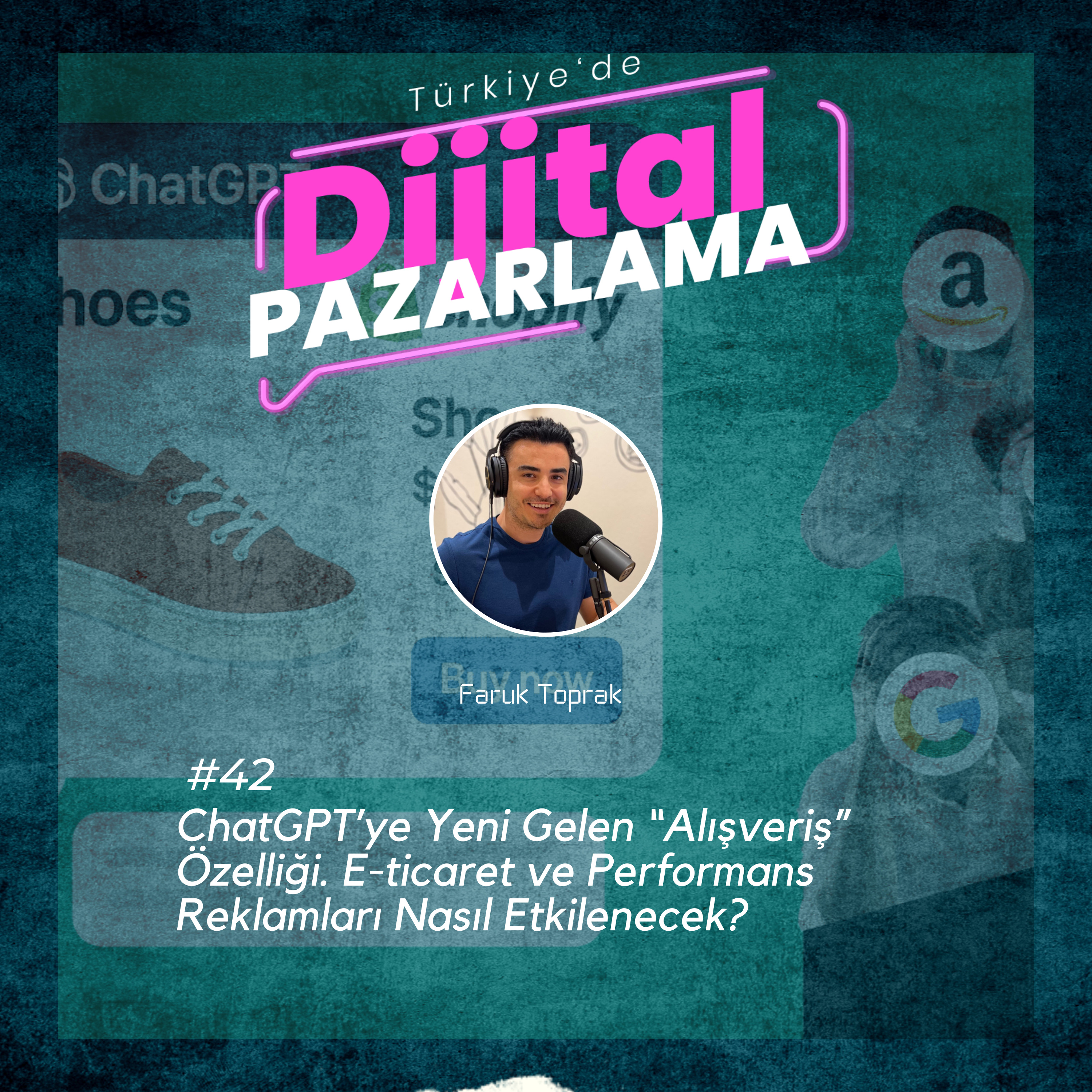
ChatGPT, developed by OpenAI, has long been one of the most popular faces of generative artificial intelligence. But now it's not just generating content, writing code, or chatting. A completely new era is beginning: AI-powered shopping assistance.
In this episode, we examine ChatGPT's shopping feature in detail. How does this system work, what conveniences does it provide to users, how should digital marketers adapt to this development, and what does it mean for brands?
I explain everything step by step.
What is ChatGPT's Shopping Feature?
ChatGPT's new shopping feature is an integration system where users can find products through AI, make comparisons, get recommendations, and initiate the purchase process.
This system transforms the chat interface into a shopping assistant.
For example, a user can write:
"I'm looking for a birthday gift for my mom, around 1000 TL, home decoration products would work."
ChatGPT analyzes this query and searches through shopping platforms (currently active in the US: Shopify, Instacart, Klarna, Temu, BestBuy), compares relevant products, and offers direct recommendations to the user. Moreover, these recommendations don't just come as text — they come with images, prices, and buy buttons.
- Users are no longer searching on Google.
- They're shopping by chatting directly.
- For the first time, purchasing through conversation instead of search is beginning.
How Does This System Work?
ChatGPT's shopping system is built on the GPT-4o infrastructure. This model can analyze user intent and perform the following:
- Filter products by category
- Conduct price/performance evaluation
- Analyze product descriptions and user reviews to support decision-making
- Extract user profiles from previous conversations or questions
- Complete the process with direct shopping links
For example, if a user first asked about headphones and then wanted a sports bag, ChatGPT can contextually match these two products and make additional suggestions like "You might also consider this power bank for sports."
This means an AI that is now capable of not just recommending, but strategic selling.
How is User Experience Changing?
Previously, users would:
- Open Google
- Search with keywords
- Browse site to site
- Examine products
- Read reviews
- Add to cart and purchase
Now this entire process happens on a single ChatGPT screen. Users are only a few steps away between asking and completing their purchase.
This means:
- Faster decision-making
- Less distraction
- More personalized recommendations
- Higher conversion rates
What Does It Mean for Marketers?
For digital marketers and brands, this development is revolutionary. Because now competition won't just be in search engines, but visibility in AI algorithms will become crucial.
1. SEO is Changing
Traditional SEO strategies must now be designed not only for Google but also for AI platforms like ChatGPT. Product titles, descriptions, images, and reviews must be in a format that can be analyzed by artificial intelligence.
2. Product Data and Integration
Product information must be accurate, complete, and compatible with standard APIs. In other words, your products need to be made "AI-friendly." If the system doesn't recognize you, it can't recommend you either.
3. Content Marketing is Being Reshaped
Now you need to create content that appeals not just to users, but to AI models as well. Information on your product pages must be structured in a way that artificial intelligence can understand.
4. Is It an Opportunity or Threat for Small Businesses?
While large brands quickly adapt to these integrations, small businesses have a chance to stand out in algorithms with proper data management. However, brands with incomplete data or those that don't provide integration may fall behind in this transformation.
If you enjoyed this episode, don't forget to follow my podcast on both YouTube and Shopify. You can follow me on Instagram @faruktoprakx.
Episode transcript
(2132 words, Turkish)
Automatically generated from the audio; may contain minor spelling or punctuation errors.
Bugün sizlerle ChatGPT'nin dijital dünyayı nasıl yeniden şekillendirdiğini konuşmak istiyorum. Ve bu sefer odak noktamız ise alışveriş. Geçen hafta ChatGPT'nin sadece sohbet eden bir yapay zekadan ibaret olmadığını, aynı zamanda ürün öneren, sizin adınıza alışveriş sepeti oluşturan, hatta satın alma sürecinde yardımcı olan bir sistemden bahsedildi ve açıklama yapıldı. ChatGPT'ye çok yeni bir özellik geldi.
Nedir bu özelliğin adı? Alışveriş. Arkadaşlar bakın, dijital pazarlamacılar için bu gelişme ne anlama geliyor? Tüketici davranışı nasıl değişecek? Ve bu sistem nasıl çalışıyor? Sınırları nelerdir? Hadi gelin hep birlikte bu konuları birlikte ele alalım. Ben Faruk Toprak, podcasta hoş geldin.
ChatGPT kısa süre önce, geçen hafta, OpenAI tarafından geliştirilen alışveriş asistanı özelliğini tanıttı. Bu özellik sayesinde kullanıcılar şu şekilde sorular sorabiliyor artık ChatGPT'ye. Gerçi daha önceden de sorabiliyorduk ama çıkan sonuçlar bu derece etkili değildi. Örneğin, bir doğum günü hediyesi almak istiyorum. 30 yaşındaki erkek kardeşim için önerin ne olur? Bakın, kişiselleştirilmiş bir soru var.
Yaş var, erkek kardeş denilen bir cinsiyet belirtisi var. Ve artık, şimdi eskiden biz ne yapardık hatırlayalım. Eskiden dediğim de sanki çok eskiden gibi. Yakın geçmişte diyeyim. Arkadaşlar, hatta bu bazılarımız için şu an bile geçerli. Hediye almak istediğimizde Google'a yazıyoruz.
Hediye sitelerine gidiyoruz. Ya da artık durum daha da vahimse, pazar yerlerine gidip ürün bakıyoruz. Bunun daha da vahim durumu, bence bunun daha da kolay durumu diyelim, Temu'ya gidip Temu'dan sipariş veriyoruz, değil mi? Gerçi şimdi buna Temu dedim diye reklam değildi demem lazım. Şimdi bu durumda artık herhangi bir web sitesine gitmeden,
araştırma yapmadan, sadece basit soru kalıplarıyla, basit sorularla birlikte ben yapay zekaya ne aradığımı sorabiliyorum. Ve yapay zekada benim aradığıma karşılık ürün önerilerinde bulunabiliyor. Bakın, sadece ürünün adını yazmıyor. Ürünün görseli, fiyatı, yorumları, bütün detayları getiriyor. Mesela bir diğer örnek sorusu da şu,
1500 TL altında kablosuz kulaklık arıyorum ve ben bunu spor yaparken kullanacağım. Bak, ürünün fiyatını verdim ve maksimum 1500 TL olur dedim. Ürünün özelliğini verdim, dedim ki kablosuz kulaklık olsun dedim. Ve ürünü nerede kullanacağımı belirtti. Bak, 3 tane kriter verdim. Spor yaparken ben bu ürünü kullanacağım dedim.
ChatGPT sadece artık önermekle kalmıyor. Az önce de demiştim. Yani önerilen ürünler Shopify, Instacart, Klarna, Temu, Best Buy gibi entegrasyonlarla doğrudan artık sepete eklenilebiliyor. Hatta geçen hafta bu merchant başvurusu için ChatGPT bir mail gönderdi ajanslara. Bizim ajansa da geldi. Hemen bizim tüm e-ticaret firmalarına bu formu doldurttum.
Dedim ki bu formu dolduralım arkadaşlar. Bakın bu form çok önemli. Altın değerinde. Herkes de bir şok oldu. Neden biz bunu dolduracağız dedi. Çünkü açıklamamış da henüz ChatGPT alışveriş özelliğini.
Bakın dedim. ChatGPT örümcek gibi gidiyor. Bütün siteleri tarıyor. Ancak artık dedim. Bu örümcek gibi taramadan ziyade veri fitleriyle birlikte. Yani bizim ona göndereceğimiz XML veri fitleri.
Veri fitleri nedir? Web sitenizde e-ticaret, web sitenizdeki tüm ürünlerinizin dijital olarak ve anlık olarak ChatGPT'ye ya da yapay zeka aracına gönderilmesi. Yani bunu Google Katalog, Facebook Katalog, Google Merchant Center gibi düşünebilirsiniz. Artık kullanıcı aramıyor, karşılaştırmıyor, sormuyor ve direkt olarak seçmesini ve satın almasını sağlıyor ChatGPT. Eskiden hala günümüzde bile yaptığımız süreçteki tüm aşamalara artık gerek kalmayacak. Aradığımız ürünü ChatGPT'ye yazıp ya da ChatGPT'ye sorup onun asistanlığıyla birlikte onun bize önerdiği ürünleri ve fiyatlarıyla birlikte tabii ki de satın alacağız.
Şimdi bu ne gibi sorunlar doğuracak? Bakın ak akçe, cimri bunların çalışma metodu nedir? Firmalar veri fitleri aracılığıyla ürünlerini bu sitelere gönderirler. Değil mi? Yayınlanmasında eskiden tabii para almıyorlardı. Şimdi sistem nasıl bilmiyorum.
Ak akçe ve cimri de. Başvuru yaptıktan sonra. Ama bir reklam harcamanız gerekiyor. Orada sonuçta kullanıcının hayrına çalışan bir sistem olması lazım değil mi? Yani en ucuz ürünü onun en tepede göstermesi lazım. En ucuz'u gösteriyor ama onun altında gelenler ise reklamlı sonuçlar oluyor arkadaşlar.
Ve yine CPC model dediğimiz tıklama başına maliyet usulüyle bu platformlardaki reklamlar yöntemiyle firmalar ürünlerini listeleyebiliyorlar. Bakın şimdi ChatGPT henüz reklam yayınlamıyor sistemde ve platformda. Ve geçen hafta ChatGPT'nin CEO'su şunu açıkladı. Dedi ki biz dedi bu yıl gelir hedefli modelimizi bıraktık dedi. Yani gelir elde etmeyi düşünmüyoruz dedi. Bu beni sevindirdi.
Neden? Çünkü Sam'in ilk açıklamasında dedik ki biz dedi bu yıl gelir hedefliyoruz dedi. Ben de dedim ki eyvah dedim yani. Ne oldu dediler? ChatGPT artık reklam almaya başlayacak dedim. Güldüler.
Ama bu şu demek değil ya. ChatGPT bugün buna başlamadı. Reklam almıyor. Ama alacak arkadaşlar. ChatGPT her ne kadar abo usulüyle çalışsa da yani abonelik modeliyle çalışsa da günün birinde gelirlerinin birçok kısmını nereye dayandıracak?
Reklama. E biz de reklamcılar olarak tabii ki de ChatGPT'deki ya da hep ChatGPT diyorum ama yapay zeka araçlarındaki tüm gelişmeleri ve güncellemeleri yakından takip etmemiz gerekiyor. Burası reklam platformuna döndüğü an benim hızlı bir şekilde oraya başvuru yapıp reklam çıkmaya ve yayınlamaya başlamam gerekiyor.
Şu an her şey organik ilerliyor. İçeride devasa bir veri var. O verilere karşılık sonuçlar geliyor. Ancak şu anki organik sistem hep böyle devam etmeyecek. Reklama da dönecek. Günün birinde bakın ben bunu diyorum.
Ne zaman diyorum? 7 Mayıs 2025 tarihinde ben bunu söylüyorum arkadaşlar. Diyorum ki ChatGPT'de reklam görmeye başlayacağız. İster inan ister inanma. Ama gelecek. Google'da böyle başlamıştı.
Şimdi bu özellik ilk olarak Amerika'da test edilmeye başlandı. Yani direkt ChatGPT'nin kendi içinde yapay zeka aracının içinde satın alma özelliği. Bu yavaş yavaş Türkiye ve global pazarlara da açılacak. Türkiye'de başladı nasıl başladı direkt siz ürünün adını yazdığınızda ürünler listeleniyor fiyatlarıyla birlikte karşılaştırmalı şekilde. Henüz ChatGPT'nin kendi içinde satın alım gerçekleştiremiyorsunuz. Sizi web sitesine yönlendiriyor.
Ama bundan sonraki aşamada ne olacak? İnsanlar artık ChatGPT'yi bir e-ticaret platformu gibi kullanabilecek. Bu bana biraz şeyi de hatırlatıyor. Çin'deki WeChat uygulamasını hatırlatıyor. Çünkü WeChat'i biz hepimiz bir mesajlaşma uygulaması gibi düşünürüz ama aslında olay bundan da ötedir. Yani WeChat bizim ödeme yaptığımız, kredi kartı gibi kullanabildiğimiz, sosyal medya platformu gibi kullanabildiğimiz, faturalarımızı ödeyebildiğimiz,
yani bizim A'dan Z'ye vatandaşlık görevlerimizi dahi yaptığımız bir uygulama aslında WeChat. Bu aslında birçok uygulamanın hayalidir. Her şeyi içinde kapsayan ve barındıran uygulama. ChatGPT de bence buna doğru gidecek. Yani gidiş yolu bu gibi görünüyor. Uygulama içinde alışveriş de yapacağız.
Bu uygulama bizim her şeyimizi bilecek. Gerekirse bize psikiyatrist gibi davranacak. Psikolog gibi davranacak değil mi? Birçok insan seans alıyor. Hadi bakalım. Dürüst olalım birbirimize.
Birçok insan ChatGPT ile konuşarak seans alıyor. Yani hani durum bu derecede. Düşünün arkadaşlar doktorlar da işini kaybedecek. Evet bu arada. Bölüm 2. Şimdi tabi bu çok dallandırmak istemiyorum konuyu.
Yapay zeka başlı başına apayrı bir konu. Ama alışveriş özelliği ile birlikte çok daha genişleyecek özellikleri. Şimdi alışveriş özelliği GPT 4.0 dediğimiz modelinin üzerine kurulu. Yani alt modellerde bu özellik yok. Kullanıcının niyetini ve bağlamını anlayarak neler yapıyor? Bir, ürünleri tarıyor.
İki, fiyat performans oranını analiz ediyor. Yani en uygun fiyatlıyı çatlığı getirmiyor. Performansa da bakıyor. Üç, ürün açıklamalarını ve yorumlarını inceliyor. Yani senin tek tek gidip sitelerde yorum okumana gerek yok artık. Çünkü ChatGPT bunu yapıyor.
Ve son olarak da kullanıcının stiline veya geçmiş sorularına göre kişiselleştirme yapıyor. Yani anlatırken mesela sen yemekte neyi sevmiyorsun? Soğan sevmiyorsun. O sana bir şey önerdiğinde, bir yemek önerdiğinde bunun soğan sızı senin için daha iyi olacaktır. Çünkü sen sevmiyorsun gibi kişiselleştirme yapabilir. Bu kişiselleştirmeyi neye göre yapıyor?
Bizdeki verilere göre yapıyor. Biz ne kadar veri sunarsak kendimizle ilgili, hayatımızla ilgili ChatGPT de bizi o kadar yakından tanır. Tıpkı Netflix'in hangi filmi izleteceğini tahmin etmesi gibi olarak düşünebilirsiniz. ChatGPT de hangi ürünü satın alabileceğinizi tahmin ediyor ve potansiyeli yüksek ürünü direkt size sunuyor. Bu teknoloji artık pazarlama değil, satışın doğrudan bir parçası haline geldi diyebilirim. Pazarlamacılar için bu ne anlama geliyor?
Bunu da konuşmak istiyorum. Çünkü bu önemli bir gelişme. Özellikle SEO odaklı içeriklerin yerini AI'ya uygun içerik modeline bırakacağı anlamına geliyor. Şimdi biz SEO'ya uygun içerik dediğimizde neyi baz alıyorduk? Google'lı Bing, Yandex ya arama motorlarını baz alıyorduk. Ama bu yerini yavaş yavaş yapay zekaya uygun içerik modeline bırakacağı anlamına geliyor.
Yani ben yapay zekaya uygun içerikler girmeliyim. Ardından web sitelerindeki ürün açıklamaları, görseller, yorumlar artık sadece kullanıcıya değil yapay zekalara da hitap etmek zorunda. Yani eskiden insanlar hedefliyorduk. Bakın ben her konuşmamda, her konuşmam demeyeyim de bazı konuşmalarında bunu çok sık dile getiriyorum. Diyorum ki arkadaşlar gelecek yapay zekaları ikna etmeye doğru gidiyor. İnsanları değil diyorum.
Biliyorlar bana ama öyle. Sonra markalar AI algoritmalarına uygun ürün datası ve formatlar sunmak zorunda kalacak. Ürün datamızı ve formatları yapay zekaları uygun olarak yapmamız lazım. Bir de bunu yaparlar mı bilmiyorum ama belki olabilir. Affiliate sistemler, influencer marketing stratejileri bu yeni asistanlarla entegre edilmek zorunda. Yani ChatGPT şunu diyebilir.
Arkadaş bak senin ürünün benim platformumdan satın alıyor ve ben bundan %3 alacağım diyebilir. Ya da bundan daha ilerisi ChatGPT'nin kendi ödeme altyapısı vardır. Müşteri ChatGPT ödüyordur, ChatGPT de satıcıları ödüyordur. Bir pazar yeri gibi düşünün. Gerçi %3 dedim ama %3 insaflı değil mi? Yani hani çok güzel bir oran.
Düşünsenize Trendyola bugün %30 komisyon verdiğinizi düşünün ki öyleler yani. %30-35 insaflı günlerindeyse bazen komisyon oranlarını %10'a düşürebiliyorlar. Ama burada da şunu diyorlar. Ürünün fiyatını düşür diyorlar. Arkadaş nasıl kâr elde edeceğim ben ya? Ürünün fiyatını düşürtüyorsun.
Komisyon oranını arttırıyorsun. E bir de şimdi yetmedi. Ürün platform bedeli diye bir platform bedeli çıkarttın. Yani hani acayip rakamlar arkadaşlar. Böyle ufak ufak rakamlar gibi görünüyor ama hepsini topladığınızda korkunç seviyelere ulaşıyor. Ve ben hep şu örneği de veririm.
İşletmeler için derim ki dikkat edin derim. Gemiyi küçük delikler batırır. Bakın çok önemli. Gemiyi küçük delikler batırır. Ve birçok işletme trend yolda yüksek cirolar elde etmesine rağmen aslında zarar elde ediyorlar günün sonunda. Ben bakıyorum satış rakamı 15 milyon.
Adam seviniyor. Diyor ki 15 milyonluk satış yaptım. Abi çok iyi. Ama 15 milyonluk satışın sana maliyeti ne oldu? Hadi gel bir de bunu hesapla diyorum. Orada tabii surat asılıyor.
Şimdi riskler ve sınırları konuşalım biraz da. Her şey bu kadar harika mı sizce? Bence hayır. Yani tek dev, tek her şeyi elinde tutan, kontrol eden bir mekanizmaya doğru gidiyor sistem. Yani bu iyi değil. Çünkü adamlar ne derse günün sonunda o olacak.
Öyle değil mi? Bu sistemle ilgili özellikle bazı kritik sorular var. Cevaplanması gereken bence. Birinci soru yapay zeka önerileri ne kadar tarafsız olacak? Yani bunu bilmiyoruz. Taraf tutacak mı, tutmayacak mı ya da reklam olacak mı olmayacak mı bilmiyoruz.
Burada bir şeffaflık yok ama biz de buna adapte olacağız tabii. İkinci soru mesela hangi ürünleri neden önerdiğini açıklayabilecek mi? Bu da önemli. Yani bu ürünü öneriyorsun ama bunu neden öneriyorsun? Son olarak da küçük işletmeler bu sistemde öne çıkabilecek mi? Yoksa sadece büyük markalar mı kazançlı çıkacak?
Bakın bunu da şuna benzetiyorum. Bakkallar vardı eskiden her sokakta, her mahallede. Sonra marketler oldu değil mi? Bakkallar birer, birer, birer kayboldu. Öyle değil mi? Şimdi de aynı sistem yani küçük e-ticaret firmaları, siteleri yavaş yavaş kaybolacak mı?
Yoksa yapay zeka onlara da şans ya da imkan tanıyacak mı? Bilmiyoruz. Orada da yeteri kadar bir şeffaflık yok. Sanal pazar yerleri de öyle keza. Sizin ürününüzü satan yüzlerce satıcı olabilir. Onun algoritması nasıl çalışıyor?
İlk sırada kimi gösteriyor? En azından azıcık da olsa şeffaflık payı var. Ama yapay zekada yani ya deniz her yer kapalı. Kapalı bir kutu gibi. Özetle arkadaşlar bugün ChatGPT'nin alışveriş özelliğini konuştum sizlerle. Bu yalnızca e-ticaret deneyimini kolaylaştırmıyor.
Bakın çok şeyden konuştuk. Aynı zamanda dijital pazarlamayı, ürün yerleştirmeyi ve satın alma kararlarını da algoritmik bir zemine taşıyor. Pazarlamacılar, satıcılar, içerik üreticileri ve marka yöneticileri olarak bizler bu değişime çok dikkatli bir şekilde adapte olmamız gerekiyor. Sakın ama sakın özellikle sen benim podcastimi dinliyorsan böyle uzaktan ben bunları bir izleyeyim bakayım bunlar neler yapıyor. Sakın ama sakın yapma. Benim podcastimi dinliyorsan demek ki güncellemelerden ve yeniliklerden haberdar olmak istiyorsun.
Ben de sana bunu detaylı bir şekilde anlatıyorum. Yol göstermeye çalışıyorum. Bir şekilde bu yeniliklere adapte olabilmen için lütfen e-ticaret web sitem varsa veyahut satıcıysan herhangi bir pazar yerinde bu yenilikleri biraz adapte olmaya çalış. Yoksa bu üçüncü soru vardı ya küçük işletmeler bu sistemde öne çıkabilecek mi? O sorunun cevabına kolaylıkla olumlu cevap verebilmek için sevgili arkadaşlar. Bölümü kapatırken size küçük bir tavsiye vereceğim.
Markanızı sadece tüketicilere değil artık yapay zekalara da doğru bir şekilde anlatmalısınız. Haftaya salı geciktirmeyeceğim. Salı günü sizlerleyim. Dün TikTok'un bir etkinliğine katıldım. Hilltown'da, Sarıyer'de, İstanbul'da. TikTok Live'la alakalı.
Bu arada orası da ayrı bir podcast konusu ya çok heyecanlandım. Live özellikle inanılmaz bir seviyeye geldi. Bakın TikTok şu anda Live'ı çok ciddiye alıyor. Sıra Instagram'da. Instagram'da Live'ı çok ciddiye almaya başlayacak bir şekilde ona doğru gidecek. Çünkü Instagram copy paste yapıyor.
Gerçekler ortada. TikTok'u kopyalıyor, yapıştırıyor. TikTok şu an buna yüklendi. Instagram'da buna yüklenecek. Belki bir bölümü de buna ayırabilirim. Hepinize çok güzel bir hafta diliyorum.
Artık yaz da geldi. Güzel güzel rahat rahat giyinmeye de başladık. Böyle doğanın içine kaçmanızı da ara ara öneriyorum. Biraz dijitalden uzaklaşmak iyi gelecektir. Kendinize iyi bakın. Salı günü haftaya buradayım.
Tekrardan görüşmek üzere. Hoşçakalın.
Don’t miss an episode
New episode every Wednesday - follow on Spotify & Apple Podcasts, or get the newsletter.