
Creating Interactive Marketing Campaigns with QR Codes

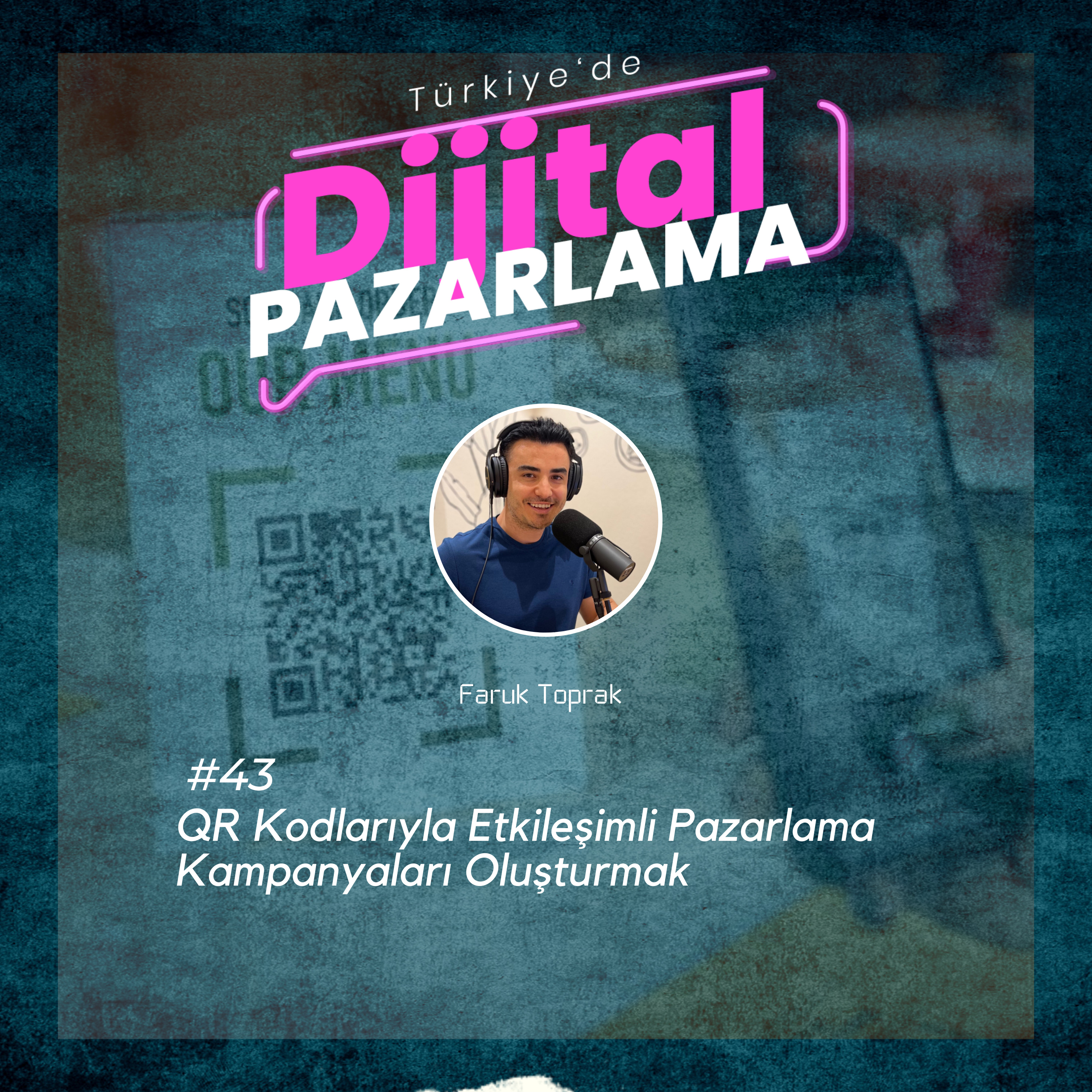
How to Create Interactive Marketing Campaigns with QR Codes?
QR codes today are not just found in restaurant menus; they appear in advertising billboards, product packaging, store windows, and YouTube videos. However, they are no longer just tools that redirect to a link. When used strategically, they become powerful interactive marketing tools for brands.
What is a QR Code and How Does It Work?
QR code (Quick Response) is a technology that can quickly transmit information through two-dimensional square codes. It is generally used to direct to a website link, social media profile, PDF file, or contact form. However, the critical point here is to design the content that the QR code directs to in a strategic and conversion-focused manner.
QR Code Development in Turkey
Early Years: Experimental Period
QR codes started being used in Turkey in the early 2010s. However, at that time, smartphones were not widespread and internet access was limited. Therefore, QR codes were used more as an "innovative but passive" tool in catalogs, business cards, and posters.
Breaking Point: The Pandemic
The real transition to mass adoption occurred during the 2020 pandemic. With restaurant menus being removed and QR codes being used heavily in shopping mall entry systems and public applications, users were educated while brands were encouraged to develop more creative solutions.
Current QR Code Applications
Bridge Between Physical and Digital Worlds
QR codes now serve as a connection bridge in both physical and digital channels. They are actively used in payment applications at banks, campaign integrations on platforms like Trendyol and Getir, and in-store product information.
Interactive Campaign Ideas
- Spinning a discount wheel with QR code and earning instant coupons
- Accessing recipe videos from product packaging
- Transitioning from outdoor advertising to WhatsApp bots
- Mobile app downloads via TV commercials
- Check-in and raffle participation at events
- Directing reviews and surveys at restaurants with QR codes
Successful QR Code Campaigns from Turkey
Burger King
A QR code placed on a dancing character directed users to download the app and win a free burger. Users could participate in the campaign in a single step.
Coca-Cola
QR codes on boxes distributed at events offered a personal messaging experience. This both created an emotional connection and enabled data collection.
Technical Considerations
Use Dynamic QR Codes
Instead of static links, dynamic QR codes with URLs that can be changed later should be preferred. This allows campaigns to be updated, A/B tests to be conducted, and detailed analytics to be obtained.
Mobile Compatibility and Speed
Pages accessed via QR codes must be mobile-optimized and load in less than 3 seconds. Forms should be designed simply, understandably, and user-friendly.
QR Codes Compatible with Brand Design
Customized QR codes adapted to the brand's colors and logo attract more attention than standard black-and-white visuals and increase scan rates.
Add UTM Parameters for Analytics
By using UTM tags at the end of each QR link, you can track the traffic source, engagement rate, and conversion data through Google Analytics.
QR Codes Are No Longer Just Code, They're an Experience
In today's marketing world, QR codes are not just an information-sharing tool; they have transformed into experience platforms that drive conversions, collect user data, and add value to brands. When using QR codes in campaigns, I recommend establishing a strategic approach.
A well-designed QR code takes the user not just to a link, but to the brand's story and experience.
Don't forget to follow me on Instagram @faruktoprakx.
Episode transcript
(1562 words, Turkish)
Automatically generated from the audio; may contain minor spelling or punctuation errors.
Bugünkü bölümde son zamanlarda özellikle fiziksel ve dijital deneyimi birleştiren kampanyalarda sıkça karşımıza çıkan QR kodlarıyla etkileşimli pazarlama kampanyalarını konuşmak istiyorum. Artık QR kodlar sadece menülerde değil, reklam panolarında, ürün ambalajlarında, mağaza vitrinlerinde ve hatta YouTube videolarında ve influencer işbirliklerinde bile karşımıza çıkıyor. Peki bu kodları sadece taratılan bir görsel olmaktan çıkarıp etkileşimli bir pazarlama aracına nasıl dönüştürebiliriz? Gelin birlikte bu bölümde inceleyelim. Herkese selamlar, ben Faruk Toprak, Türkiye'de Dijital Pazarlama Podcast'ine hoş geldiniz. Şimdi QR kodlar nedir ve bunlar nasıl çalışır?
Türkiye'deki başlangıcı nasıldı? Bunları biraz konuşmak istiyorum. Girişi bu şekilde yapalım. Şimdi QR kodlar verileri hızlıca okutabileceğimiz iki boyutlu bar kodlardır aslında. Bar kod teknolojisine biz zaten alışığız ama QR'ı bar koddan ayıran en önemli özellik kameralarla birlikte bunun etkileşime girmesi. Genelde bir URL'de PDF dosyasına, sosyal medya profilinize veyahut form sayfasına yönlendirme yapabiliriz.
Ancak önemli olan nokta şu, QR kodun yönlendirdiği içeriği stratejik olarak tasarlarsak bu sıradan bir bağlantı değil, bir dönüşüm tüneli haline gelebilir. Şimdi Türkiye'deki gelişimine baktım. QR kod ne zaman başladı? İnsanlar tarafından aktif olarak ne zaman kullanıldı bunları bir inceledim ve şu sonuç ortaya çıktı. Türkiye'de QR kod teknolojisi aslında 2010'ların başında başladı diyebiliriz. Ama o dönemlerde hem akıllı telefon yaygınlığı hem de internet erişimi bu kadar gelişmiş olmadığı için daha çok deneysel bir araç olarak görülüyordu.
Ve QR kodlar genellikle kataloglarda, kart vizitlerde ve afişlerde yer alıyordu. Ve kullanıcı tarafından pek de bir karşılık bulmuyordu. Dürüst olmak gerekirse neden? Bir numaralı sebebi çünkü akıllı telefonlar bu kadar yaygın değildi. Şimdi hepimizin elinde akıllı telefon var ama sanki hayatta hep böyle herkesin elinde akıllı telefon varmış hissiyatına kapılıyoruz. Aslında bunlar baktığımızda çok da yeni teknolojiler, eski teknolojiler değil.
Dolayısıyla Türkiye'deki kırılım noktası her ne kadar 2010'da Türkiye'de kullanıma başlasa bile kırılım noktası pandemiyle birlikte oldu diyebiliriz. Yani 2020 yılında özellikle restoran ve kafelerde menülerin kaldırılması yani fiziksel basılı menülerin kaldırılmasıyla birlikte QR kodlar hayatımızın tam merkezine oturdu diyebiliriz. Bir anda herkesin telefonunda QR okuma alışkanlığı oluştu. Hatta belki birçoğumuz unuttu bile bunu ama AVM'lere bile girerken ne yapıyorduk arkadaşlar? QR okutuyorduk. QR okutarak güvenlik içeriye girebileceğimize veyahut giremeyeceğimize karar veriyordu.
Orada bile bir QR sistemi geliştirildi. Bu dönem hem kullanıcıyı eğitti hem de markaları bu teknolojiyi daha yaratıcı şekilde kullanmaya itti diyebiliriz. Sonrasında bankacılık sektörü QR kodu, para transferi ve ödeme süreçlerine entegre etti. Bakın bugün birçok insan artık fiziki, kredi kartı ya da banka kartını kullanmıyor. Mobil uygulama aracılığıyla ödeme yapıyor. Peki o mobil uygulamada gösterdiği ekranda ne var?
QR kod var. Yani siz bugün Starbucks'a gidip ödeme bile yaptığınızda Starbucks mobil uygulaması üzerinden gösterdiğiniz uygulama üzerinde yer alan QR kod aslında ödemenin gerçekleşmesini sağlıyor. Yani QR kodu bir menü şeklinde sadece menü olarak kullanabileceğimiz düşüncesini aslında aklımızdan çıkartalım. Çünkü bugün bile farkında olmadığımız birçok yerde QR kodu günlük hayatımızda kullanıyoruz. Ayrıca Trendyol, Getir, Migros gibi büyük oyuncular da hem kampanya sayfaları hem de offline online entegrasyon için QR kod kullanmaya başladılar şu anda. Yani özetle Türkiye'de QR kodun evrimini şöyle özetleyebilirim ben.
İlk başta yeni bir teknoloji olarak tanıtıldı ama kullanıcı tarafından pek sahiplenilmedi bu teknoloji. Ardından pandemi ile birlikte zorunlu hale gelince kitlesel bir adaptasyon başladı QR kodlara ve bunun sonrasında da markalar bu teknolojiyi sadece bilgi vermek için değil etkileşim ve veri toplama amacıyla da kullanmaya başladı. Ve bugün artık QR kodlar pazarlama kampanyalarının hem fiziksel hem de dijital dünyadaki köprüsü haline geldi. Yani QR kod nedir diye birisi size sorarsa ne diyeceksiniz hem fiziksel hem de dijital de bir köprü haline geldi. Şimdi QR kodların Türkiye'deki gelişimi bu şekildeydi. Peki QR kodlarla etkileşimli pazarlama ne demek?
Biraz da bunu konuşalım. Etkileşimli demek aslında kullanıcıları ya da insanları eyleme geçirmek demek. Ve buradaki etkileşimli kelimesi çok kritik. Sadece yönlendirme değil kullanıcının içerikle etkileşime geçmesini sağlayabilmek, onun verisini alabilmek, yönlendirebilmek ve bu sistemi oyunlaştırmak gibi birçok fonksiyon buraya ekleyebiliyoruz. Örnek olarak kullanıcı QR kodu tarattığında bir indirim çarkı karşısına gelebilir ve o indirim çarkını çevirdiğinde anlık kupon kazanabilir. Bakın bu pazarlama stratejisi.
Bir diğer örnekte de ürün ambalajına konulan QR kodla kullanıcı ürün hikayesini izleyebilir ve bu hikayeye yorum bırakabilir. Mesela benim en çok Türkiye'de görmek istediğim şey ürünlerin üzerinde var olan bir QR kod aracılığıyla özellikle mesela makarna, mantı gibi ürünlerin üzerinde yer alacak QR kodlarla onunla nasıl yemek yapılabileceği tarifleri ve videoları yapılabilir. Mesela ben bunu görmedim. Bir makarna paketinin ambalajının üzerinde QR kodda taratıldığı zaman bir videoya gidilmesi ya da bir yemek tarifinin paylaşılması bence güzel bir pazarlama stratejisi olabilir. Bununla birlikte açık hava reklamındaki QR kodla kullanıcı bir WhatsApp sohbetine geçiyor ve yapay zeka destekli botla ürün hakkında bilgi alabiliyor. Bakın son zamanlarda özellikle Caddebostan Suadiye bölgesinde Bağdat Caddesi üzerinde reklam panoları taşıyan arabalar geçiyor.
Ve bu arabaların üzerinde dijital QR kodlar var. Bazen park ediyorlar ve o şekilde bekliyorlar. İnsanların o QR kodları okutup etkileşime geçmesini istiyorlar. Yani şöyle düşünün bir reklam panosu üstünde işte bir bankanın reklamı olduğunu düşünün ve oradaki kampanyadan yararlanmak için hemen QR kodu okutun. Hesap açın size faizsiz kredi imkanı tanınacak gibi. Etkileşim ne oluyor burada?
QR kodu okuttuktan sonra o banka uygulamasında hesap açmak. Buradaki etkileşim o. Yani bilgilerimizi bankayla paylaşmak. Hangi amaçlarla kullanılabilir sorusunun cevabı da bence bir numarada. Çok fazla bunu görmüyoruz ama görebiliriz. Mağaza içi deneyimi arttırmak.
Örneğin ayakkabı mağazasında her üründe QR var. Taratınca kullanıcı ürünün stok durumunu ve farklı renklerini görebiliyor. Şimdi burada aslında kullanılan teknoloji mevcut ama sadece çalışanlara yönelik. Ellerinde böyle bir cihaz var ve o cihazı okutuyorlar barkota, karekota ve o ürünün depoda olup olmadığını, mağazada olup olmadığını ya da o bedenin olup olmadığını her şeyini görebiliyorlar. Fiyatı da dahil. Bunu da tüketici bakımından yani kullanıcı bakımından yapabildiğimizi düşünün şahane olur.
Telefonumuzun kamerasıyla herhangi bir mobil uygulamayı indirmeden, ek bir mobil uygulamaya ihtiyaç duymadan tarattığımızda sonuçları görürsek eğer şahane olur. Ama bunun içinde ne gerekiyor tabi? Bu yüzden QR kodlar gerekiyor. Çünkü şirketin oluşturduğu QR kod kendi uygulamasıyla konuşuyor. Yani evrensel değil. Etkinlik katılımı bu zaten hayatımızda çok sık kullandığımız bir şey.
Artık konserlerde ya da fuar sırasında biletlerde hep QR kodla check-in dediğimiz biletleme sistemi var. Yani o konsere, o etkinliğe QR kodla biletinizi okutup içeri giriyorsunuz. Kampanya destekleri TV reklamlarında artık yavaş yavaş QR ile anlık indirim kodu veya ön sipariş imkanı tanınmaya başlandı. Tabi bu her ne kadar Türkiye'de izleyici kitlesinin QR koda çok alışık olmadığı ve QR kodu günlük hayatında kullanmamasından dolayı çok fazla TV kanallarında görmüyoruz. Ama bu kitle yavaş yavaş tabi değişiyor. Değiştikçe de QR kodları da TV ekranlarında görmeye başlayacağız.
Restoranlar ve otelleri zaten konuştuk. Ama buna ek olarak yani menünün dışında neler yapılabilir? Kullanıcıdan yani müşteriden anket doldurması veya TripAdvisor gibi platformlarda bizim için yorum bırakması ve yorum sayfasına yönlendirmesi yapılabilir. Başarılı QR kod kampanyalarından örnekler verecek olursak da mesela Burger King çok güzel bir QR kodu çalışması yaptı. TV reklamında dans eden bir karakterin üstüne QR kodu koydu. Kullanıcı taratınca da uygulama indirmeye yönlendirdi ve bedava burger kazandı.
Sadece bu çalışmayla birlikte yani o TV reklamında Burger King hadi şimdi uygulamayı indir deseydi kullanıcı ne yapacaktı? Platforma gidecekti, App Store'a gidecekti, uygulamayı bulacaktı, indirecekti. Ama tekrar kuponu bul, kuponu gir tarzında çalışmalara ihtiyaç duymadan direkt QR kod aracılığıyla kullanıcı tek bir işlemde hızlı bir şekilde hem uygulamayı indirebildi hem de bedava burgeri hızlıca kazanabildi. Coca-Cola Türkiye'nin yaptığı bir çalışma var. Mesela etkinlikte dağıtılan kutularda QR kod ile kişisel mesaj gönderme kampanyası yaptı. Bu da bayağı başarılı oldu diyebilirim.
Bu çalışmalarla ilgili teknik ipuçları ve yapılması gerekenler hakkında bilgi vermek gerekirse arkadaşlar şunlara çok dikkat etmek gerekiyor. QR kodu mutlaka dinamik yapıda kullanmamız lazım. Böylece linki sonradan değiştirebilir ya da AB testleri yapabilir ve tıklama analizlerini görebiliriz. Şimdi dinamik yapıdan kastım şu. Statik bir URL'e QR kodu eşleştirmeyelim. Dinamik bir URL kullanalım.
Bu da genellikle URL kısaltma firmalarında özellikle alacağımız URL'lerle birlikte yapabileceğimiz bir yöntem. Örneğin bastık 1 milyon kutunun üzerinde QR kodumuz var. Ama tek bir URL yayınladığımızı düşünün. O QR kodla eşleştirdiğimizi düşünün. Ne olacak? 1 milyon kutunun ihtiyacımız bittiğinde geri kalan kutular çöp olacak.
Yani ya da ekstra QR kod basıp o kutunun üzerine basacağız. O yüzden burada dinamik bir URL yapı kullanırsak eğer kutuları ya da QR kodları değiştirmeye ihtiyaç duymayız. Bir diğeri en önemli özelliklerden bir tanesi de mobil uyumluluk şartı sayfa 3 saniyeden kısa sürede açılmalı. Özellikle formalını sade ve anlaşılır olmalı. Neden? Çünkü kullanıcılar bu QR kod taramasını mobilden yapıyorlar.
Bilgisayarlardan girmiyorlar. Dolayısıyla mobil uyumlu ve mobilde çok hızlı açılan bir site ya da uygulamaya sahip olmamız gerekiyor. QR kodları artık standart siyah beyaz kariyerine marka renkleriyle uyumlu ve hatta logo eklenmiş bir QR kod haline çevirebiliriz. Bu QR kodlar çok daha dikkat çekiyorlar. Ve tabii ki de UTM parametreleri gibi link sonuna analizleyebileceğimiz URL parametrelerini de eklemekte fayda var ki Google Analytics'ten bunu detaylı bir şekilde inceleyebilelim. Kısacası toparlarsak QR kodlar artık sadece bizlere bilgi veren araçlar değil dönüştüren, veri toplayan ve deneyim sunan pazarlama silahları haline geldi.
Senin de kampanyalarında QR kodları stratejik şekilde kullanmanı öneriyorum sevgili dostum. Gelecek bölümde sizlere e-posta pazarlaması ve otomasyon tekniklerini anlatacağım. Bu podcast'ı beğendiysen lütfen Spotify'da, YouTube'da takip etmeyi ve beğenmeyi unutma. Beni Instagram'dan frktprk hesabım takip etmeyi unutma. En yeni bölümler yayınlandığında ilk sen haberdar olabilirsin. Daha fazlası için de faruktoprak.com kişisel web sitem.
Sevgili arkadaşlar kendinize çok iyi bakın. Bir sonraki hafta yeni podcast bölümüyle görüşmek üzere. Hoşçakalın.
Don’t miss an episode
New episode every Wednesday - follow on Spotify & Apple Podcasts, or get the newsletter.